Subhas Chandra Bose, an Indian politician and patriot, was born in Cuttack, British India, in 1897. (d. 1945)
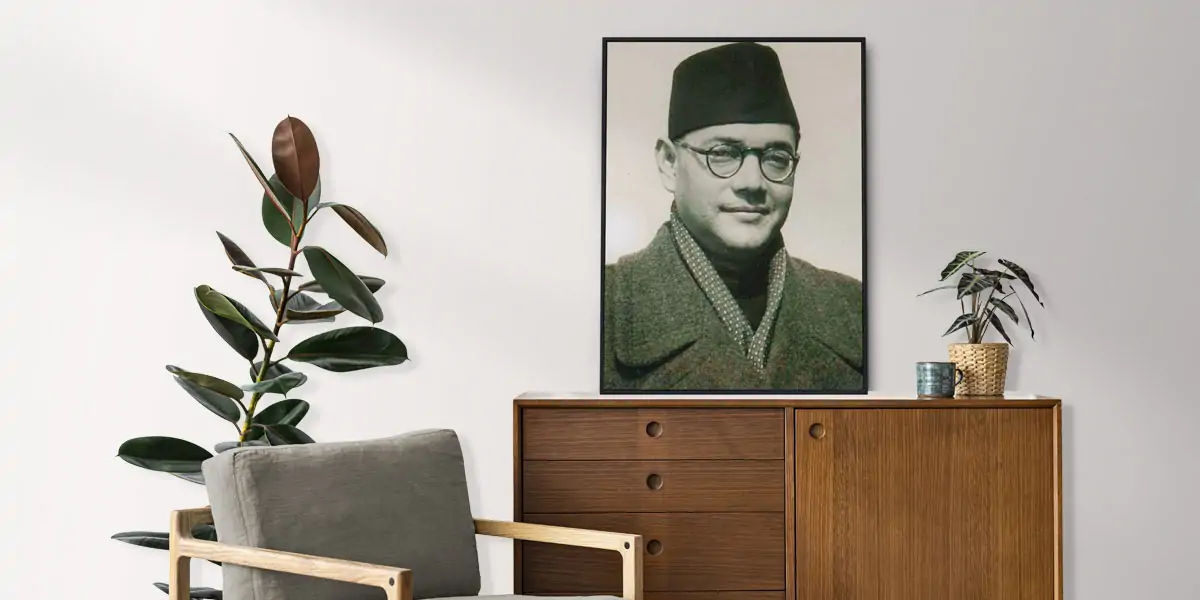
Subhas Chandra Bose, born on January 23, 1897, was an Indian nationalist whose uncompromising patriotism made him a hero in India, but whose attempts to free India from British domination with the support of Nazi Germany and Imperial Japan during World War II left a tumultuous legacy. Bose was originally given the title Netaji (Hindustani: "Respected Leader") by Indian troops of the Indische Legion and German and Indian authorities in Berlin's Special Bureau for India in early 1942. It is currently widely used in India.
Related On This Day

Kobe Bryant, an American basketball guard, dies in a helicopter crash in 2020 at the age of 41.
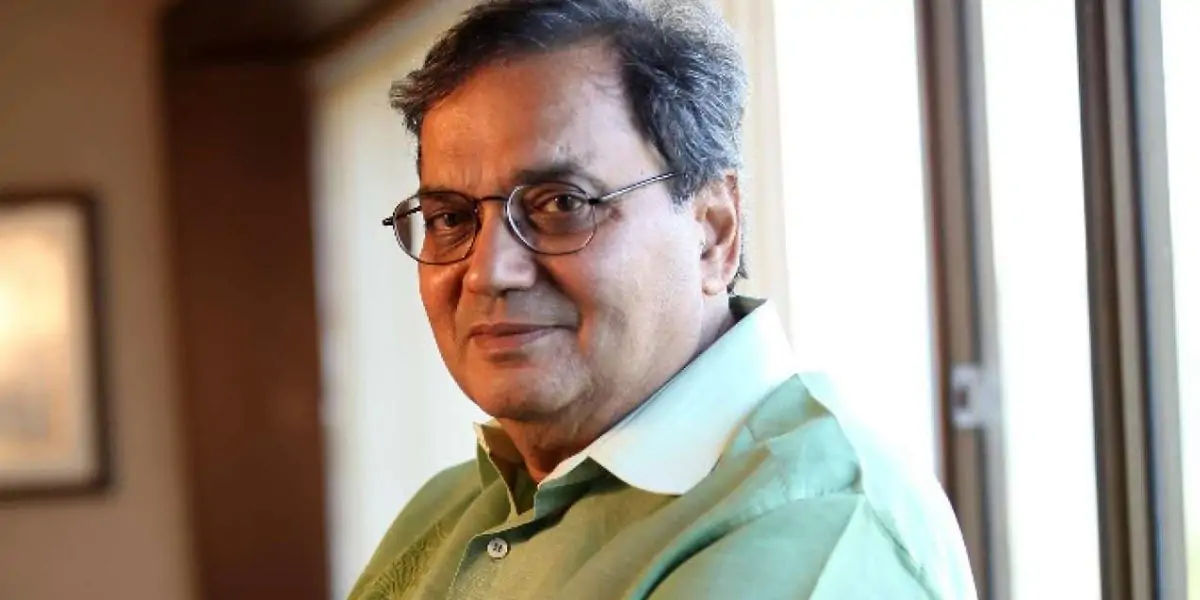
Subhash Ghai, an Indian film director, was born in Nagpur, India, in 1943.
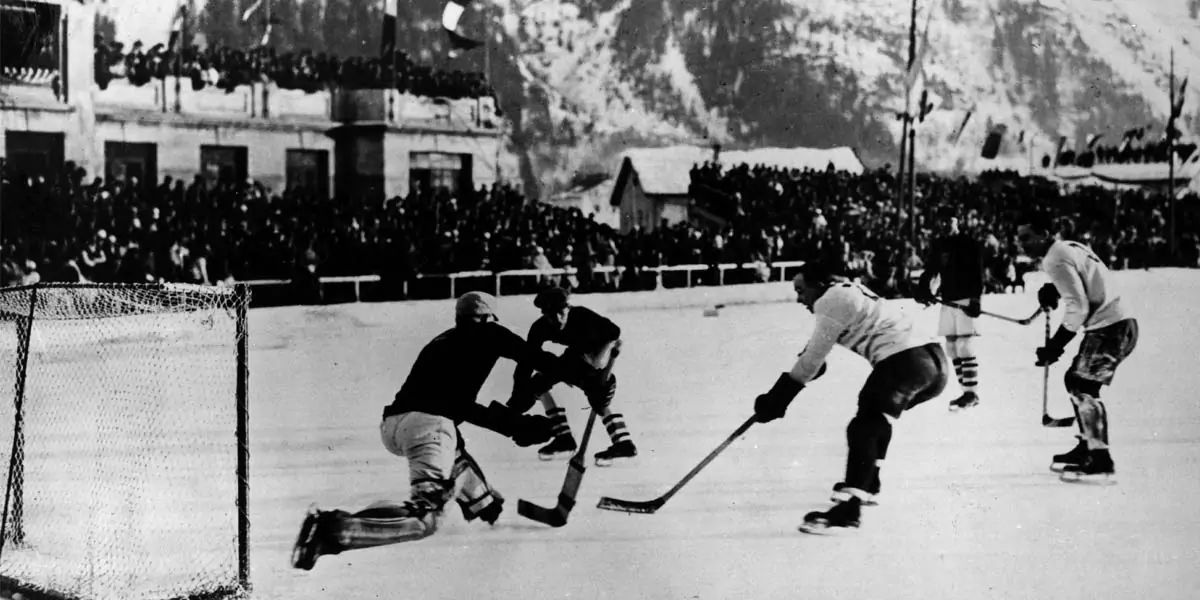
The first Winter Olympics were held in Chamonix, France, in 1924.

James Gosling created Java, an Object-Oriented programming language, in the early 1990s. On January 23, 1996, the very first version was made available.
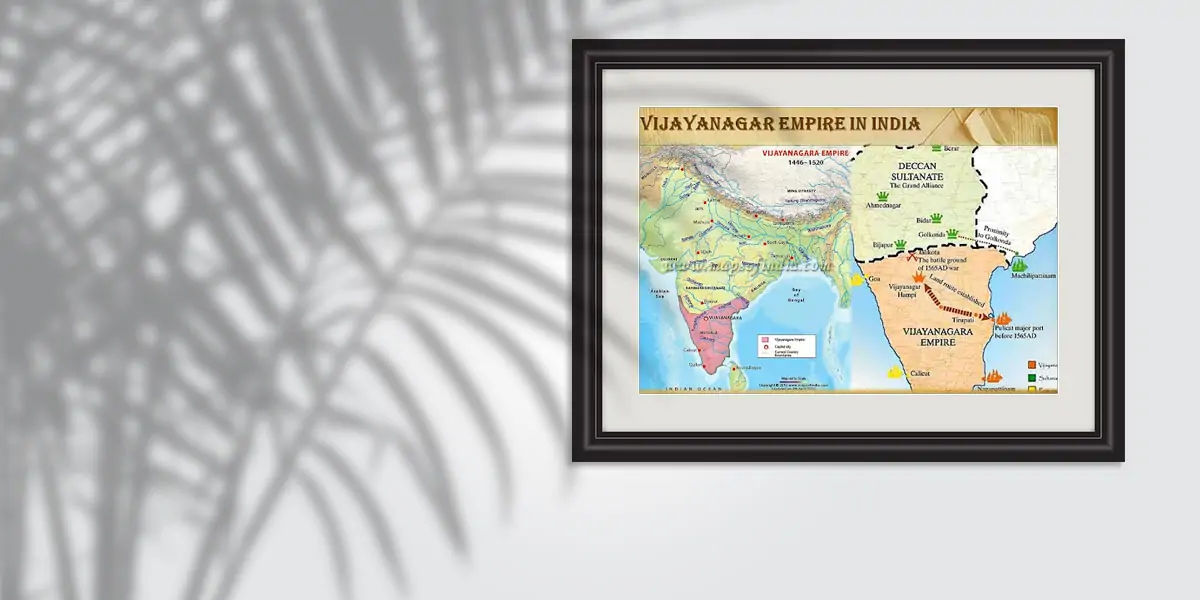
The Deccan Sultanate destroys Vijayanagar's army and the last Hindu state of Southern India in the Battle of Talikota in 1565.
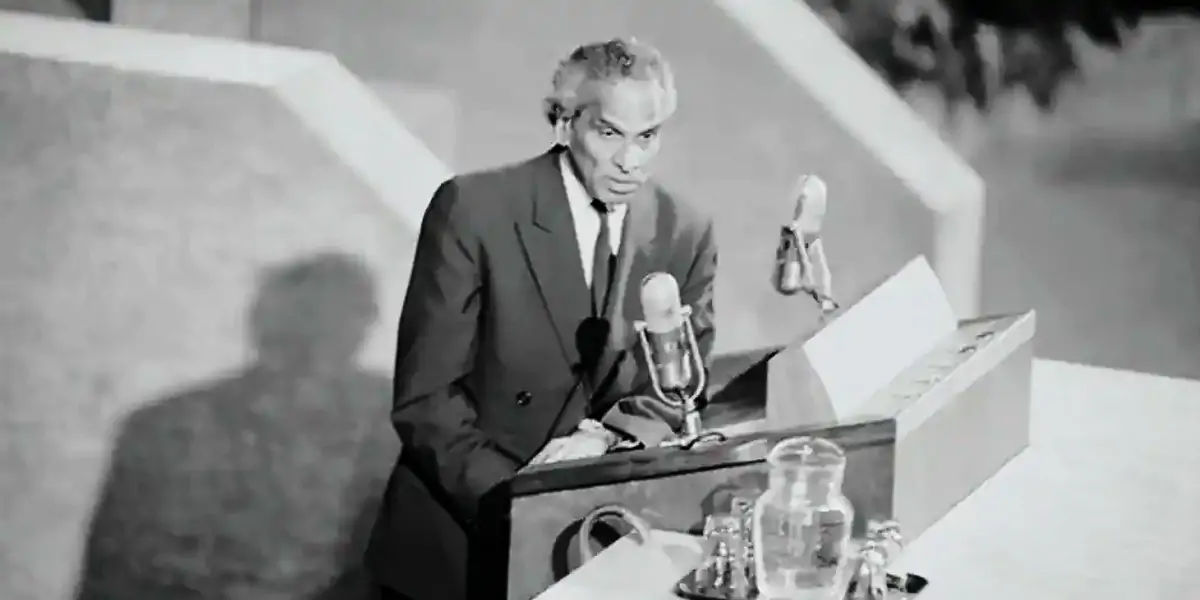
In 1957, Indian nationalist V. K. Krishna Menon delivers the UN's longest-ever address defending India's position on Kashmir - 8 hours over two days.

Luis Suárez, a Uruguayan football player, was born in Salto, Uruguay in 1987.
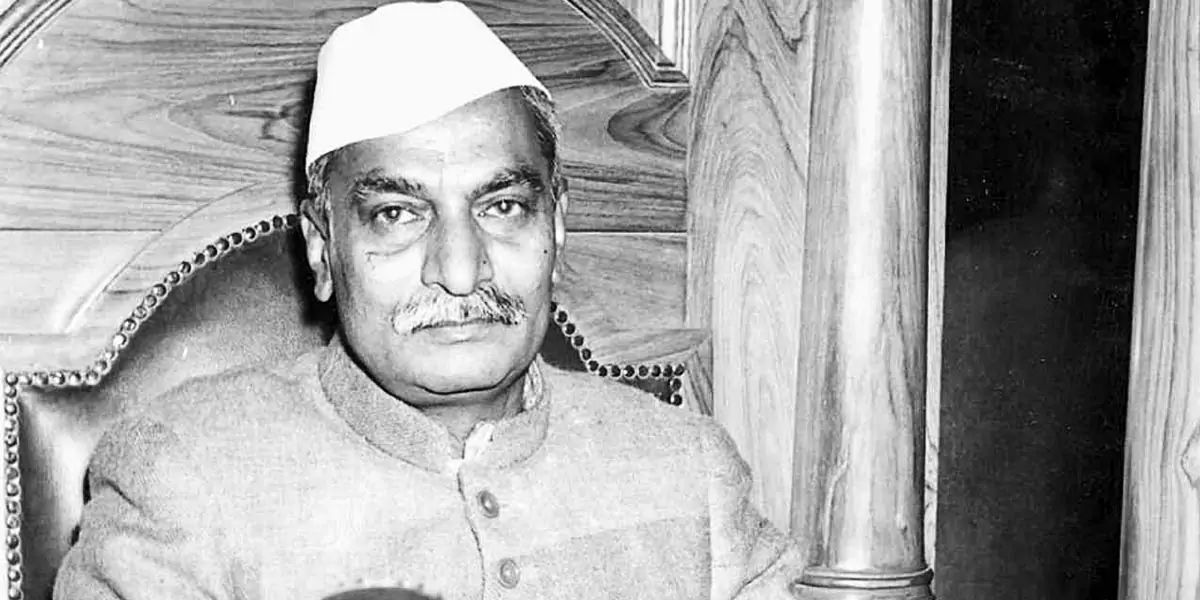
In 1950, India's first constitution goes into force, and Rajendra Prasad is chosen as the country's first president.
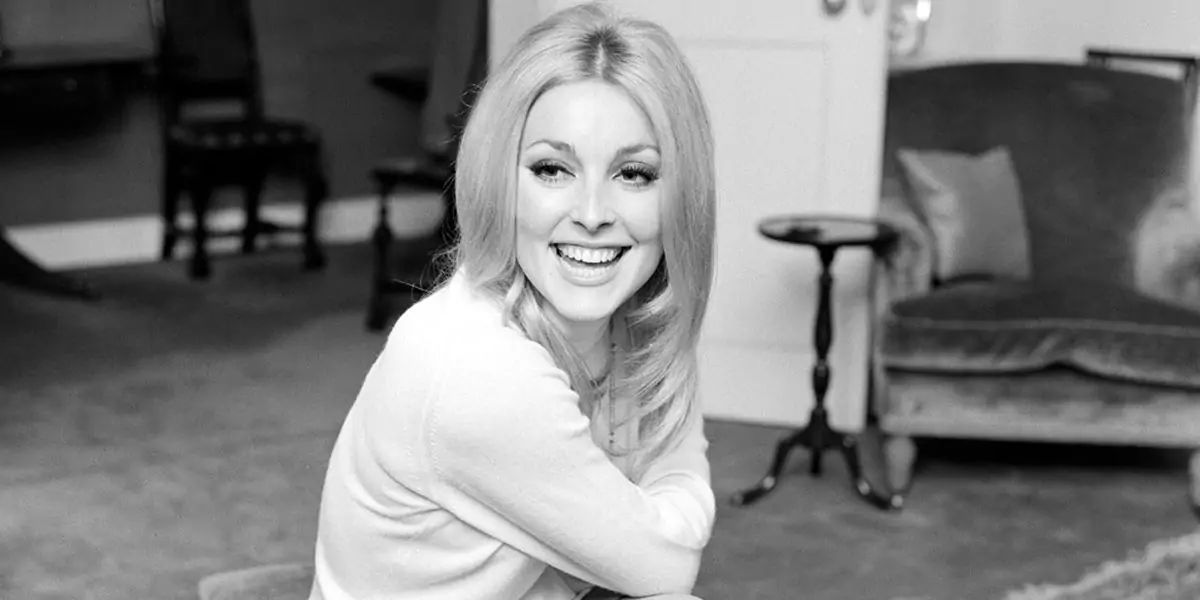
Sharon Tate, an American actress, was born in Dallas, Texas in 1943.
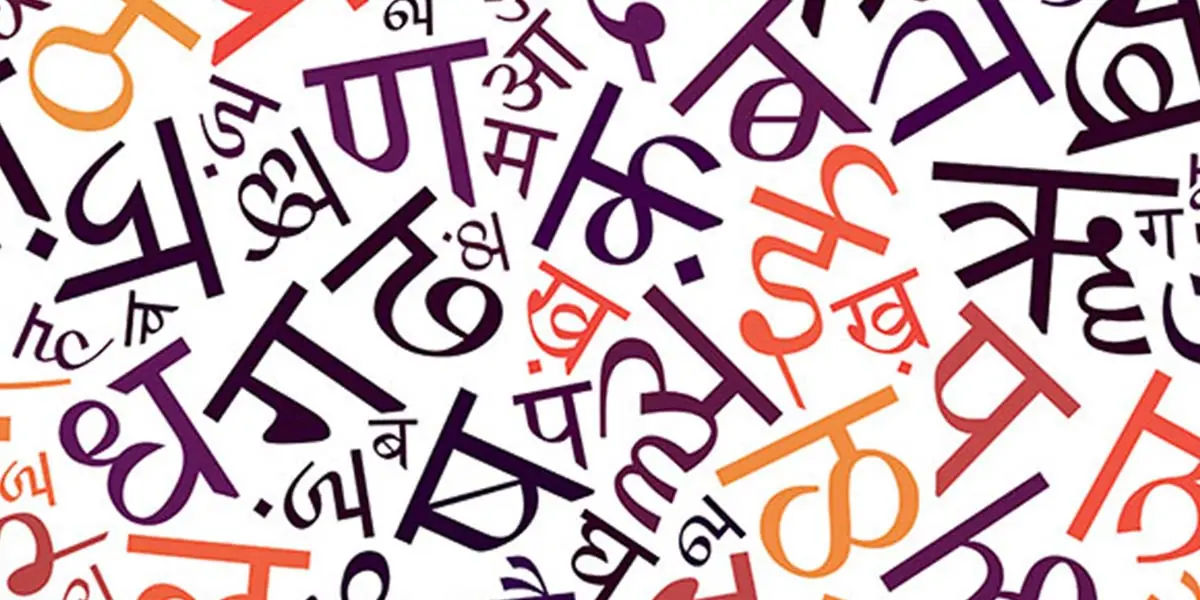
Hindi was designated as India's national language on January 26, 1965.
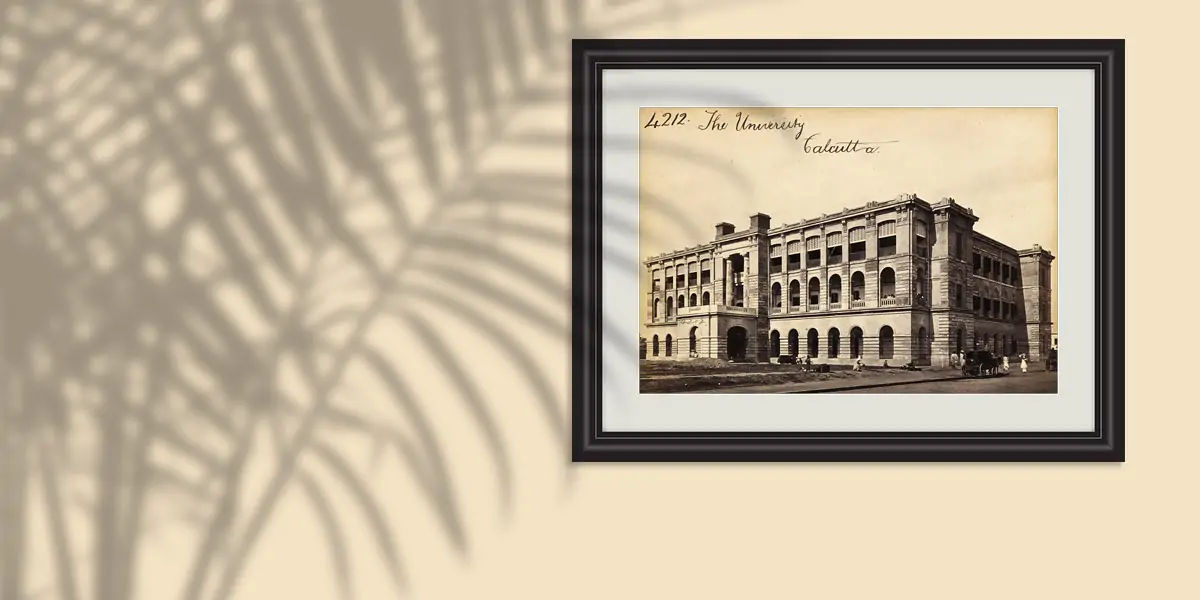
The Institution of Calcutta was established in 1857 as the first full-fledged university in South Asia.
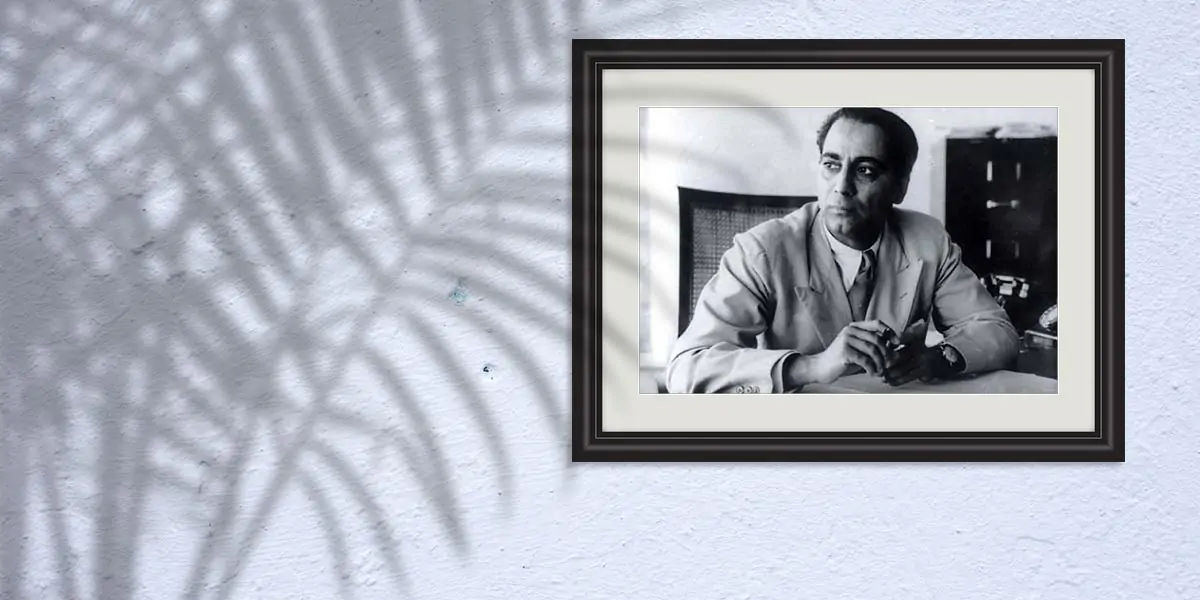
Homi J. Bhabha, an Indian nuclear scientist, died in 1966 at the age of 56.

Apple Computer Inc introduces the groundbreaking Macintosh personal computer in 1984.
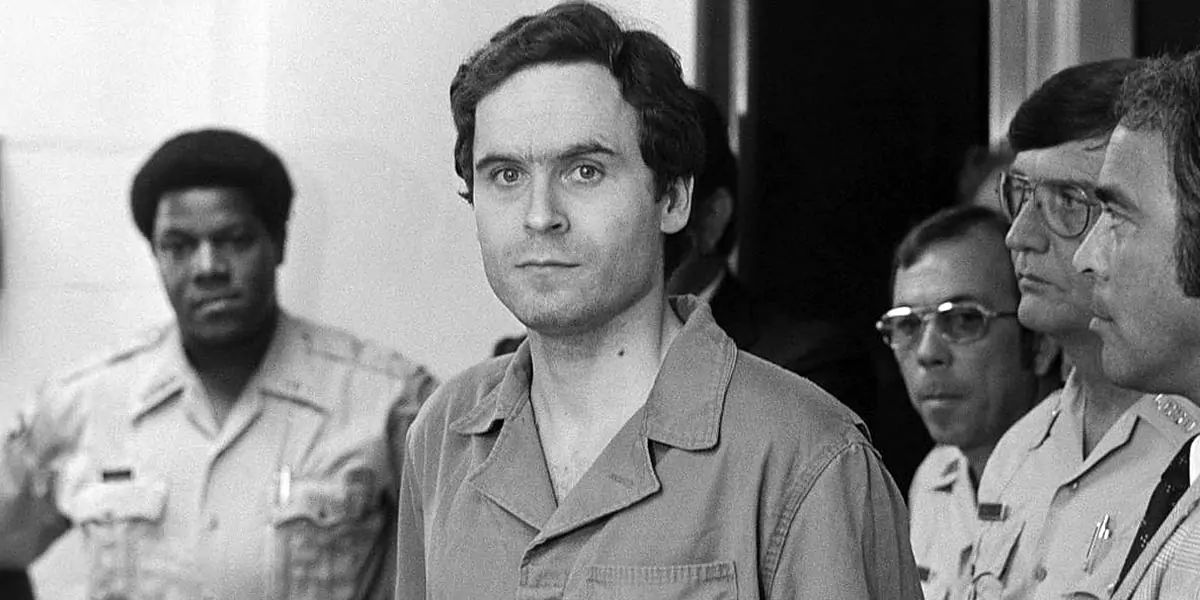
Ted Bundy, an American serial murderer who murdered up to 100 women in the 1970s, was killed by electric chair in Florida in 1989, at the age of 42.
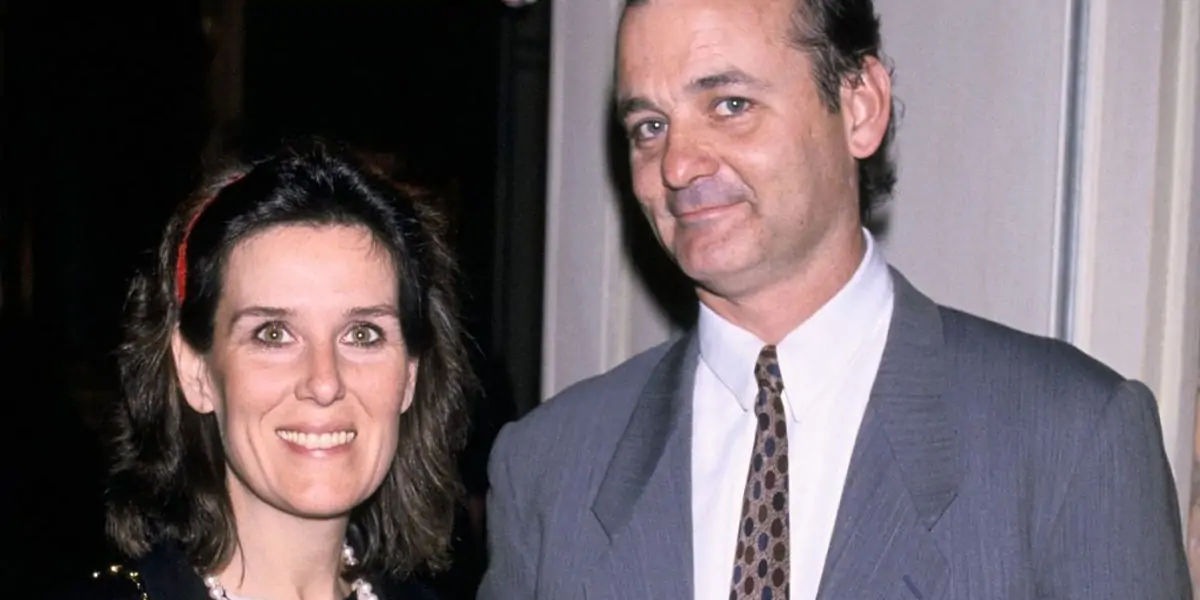
On Super Bowl Sunday in 1981, actor Bill Murray marries Margaret Kelly in Las Vegas.
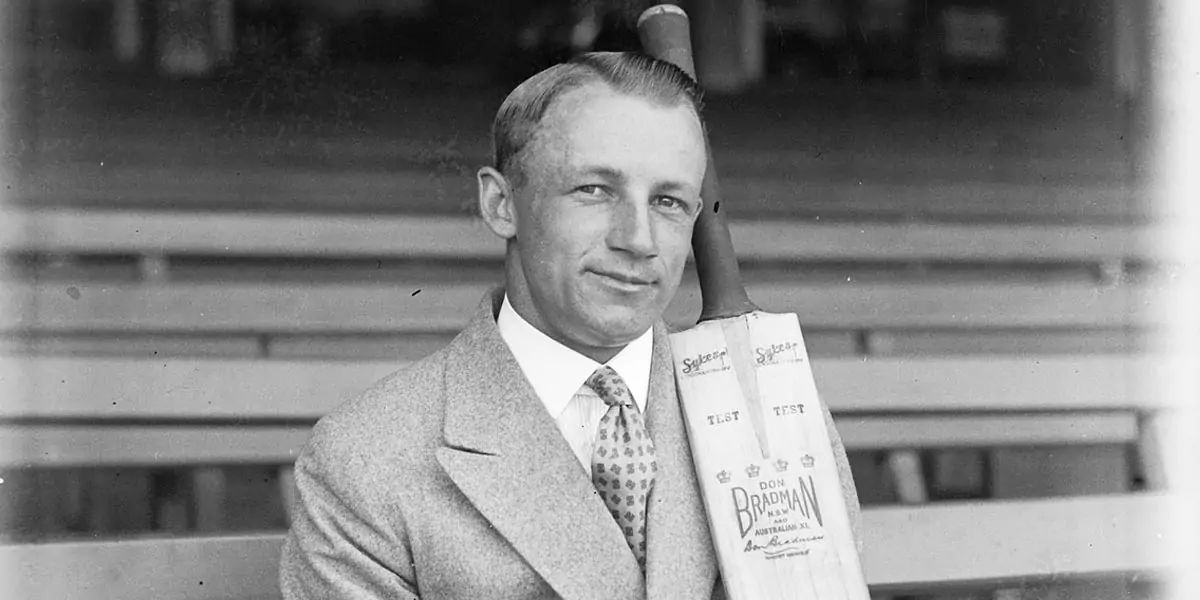
Sir Donald George Bradman, also known as "The Don," was an Australian cricketer, On January 23, 1948, he made his 12th and final 200-mile crossing.
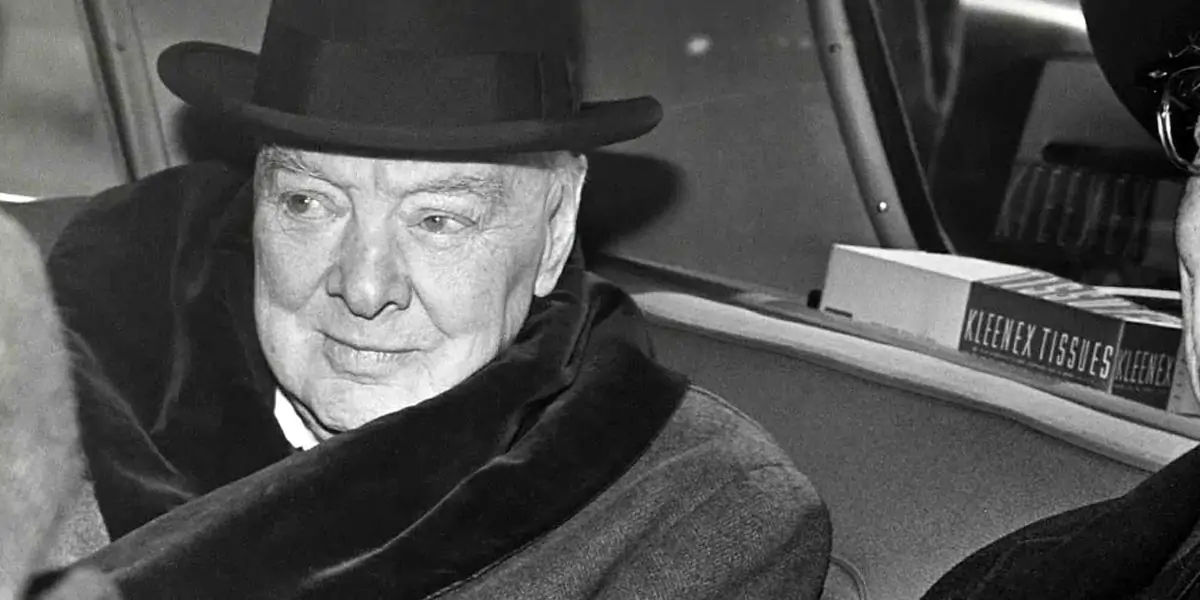
Winston Churchill, Prime Minister of the United Kingdom and British leader during WWII, died in 1965 at the age of 90.
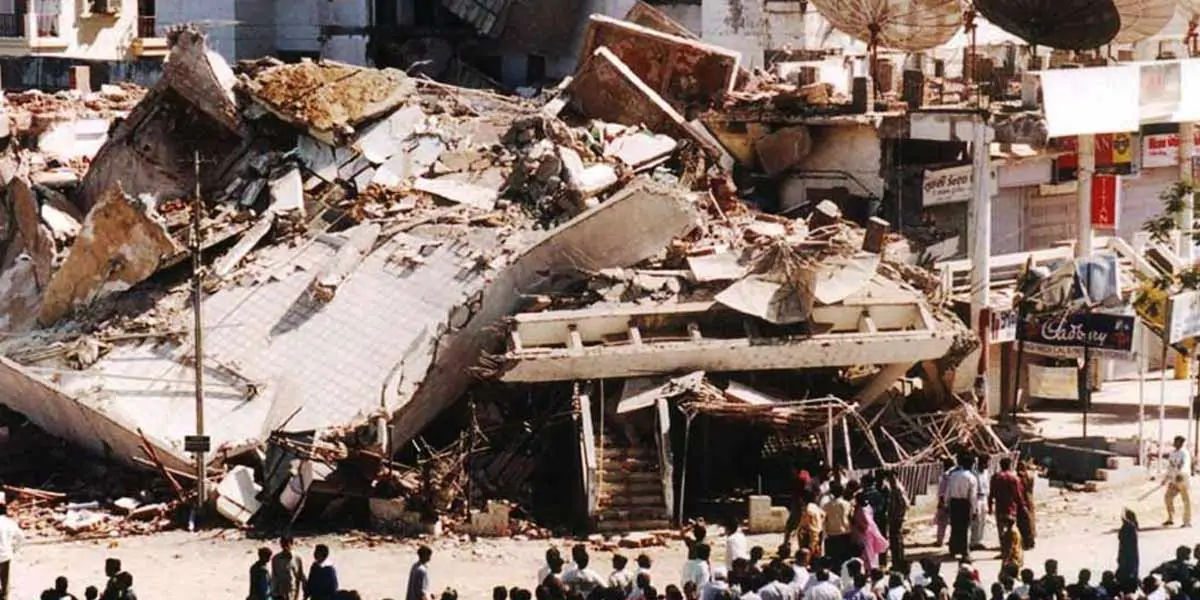
In 2001, an earthquake strikes Gujarat, India, killing over 20,000 people.

Ellen DeGeneres, an American comedian, was born in New Orleans, Louisiana in 1958.