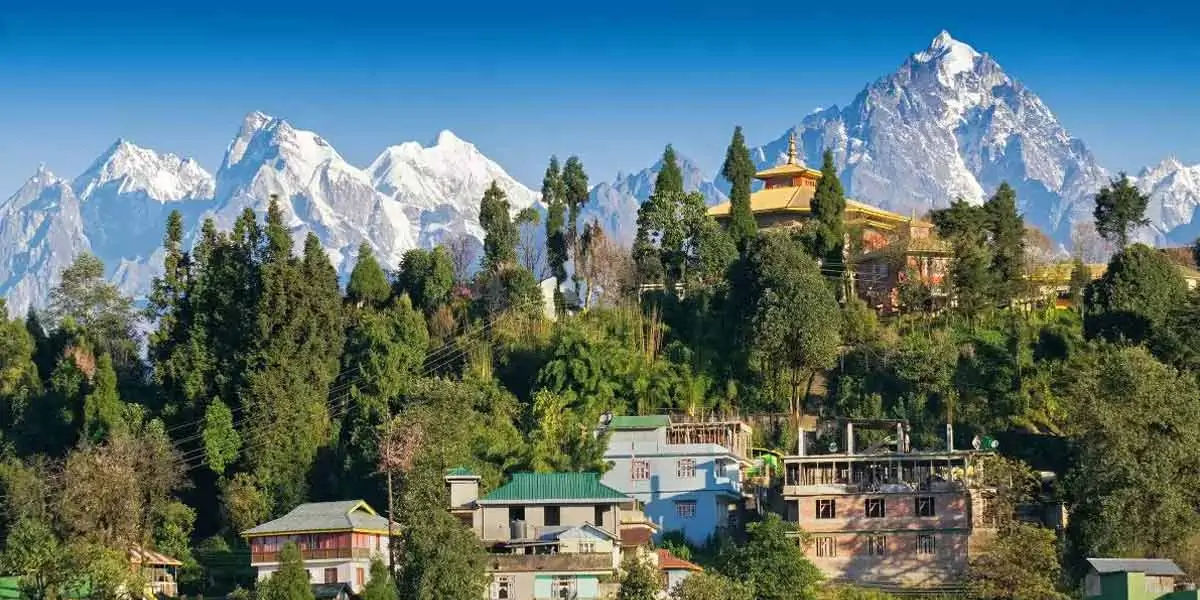
In 1948, the Sikkim Darbar and the Government of India agreed a "Standstill Agreement" to alleviate the relationship, and a new treaty went into force. A temporary agreement that served as the foundation for the treaty signed by India and Sikkim on December 5, 1950. Sikkim was made a Protectorate of India as a result of this treaty. Sikkim became India's protectorate after signing the "India - Sikkim Peace Treaty." As the people ousted the monarchy in April 1973, India assumed control of Sikkim as an associate state.
Related On This Day
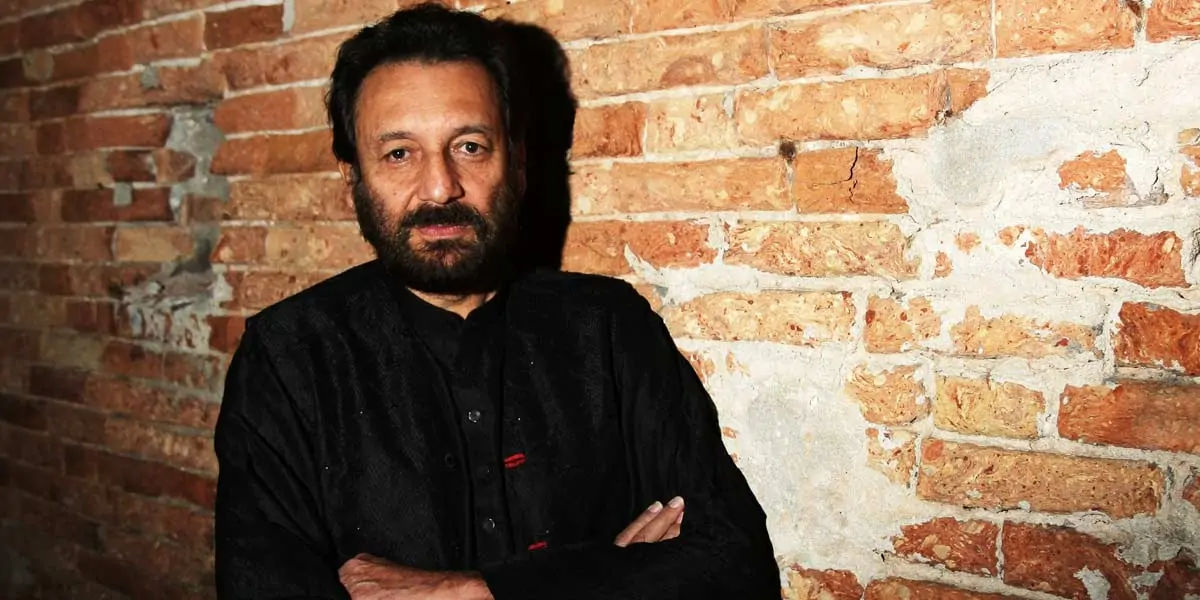
Shekhar Kapur, an Indian filmmaker (Bandit Queen), was born in Laghore, British India, in 1945.

On December 7, 2017, Ronaldo won the fifth and last Ballon d'Or award.
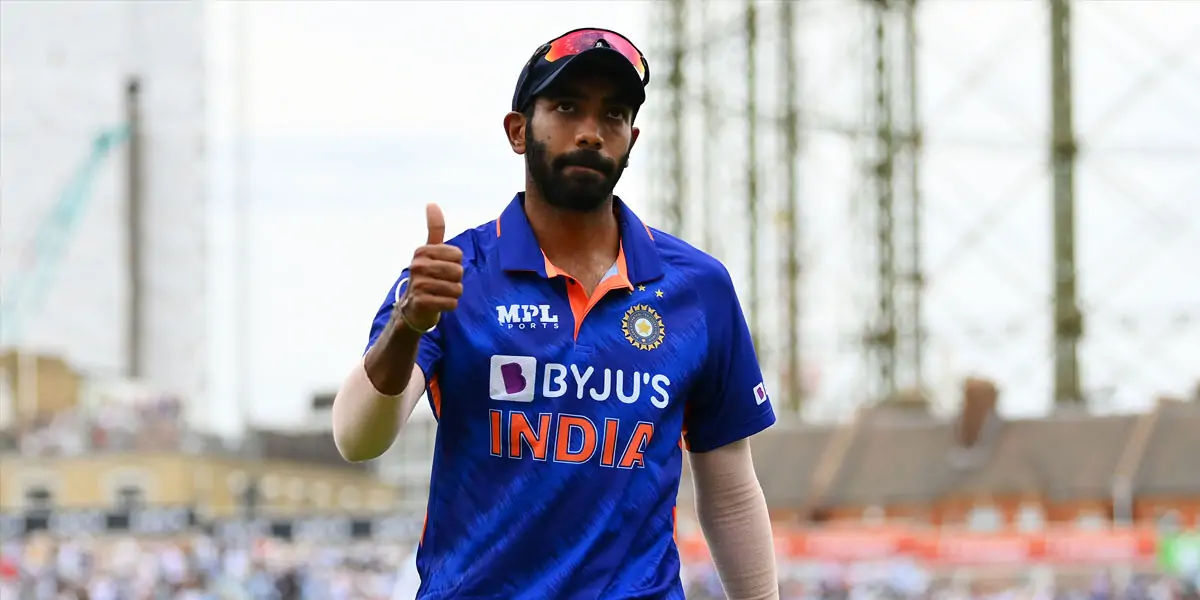
Jasprit Jasbirsingh Bumrah, an Indian cricketer who was born on 6 December 1993
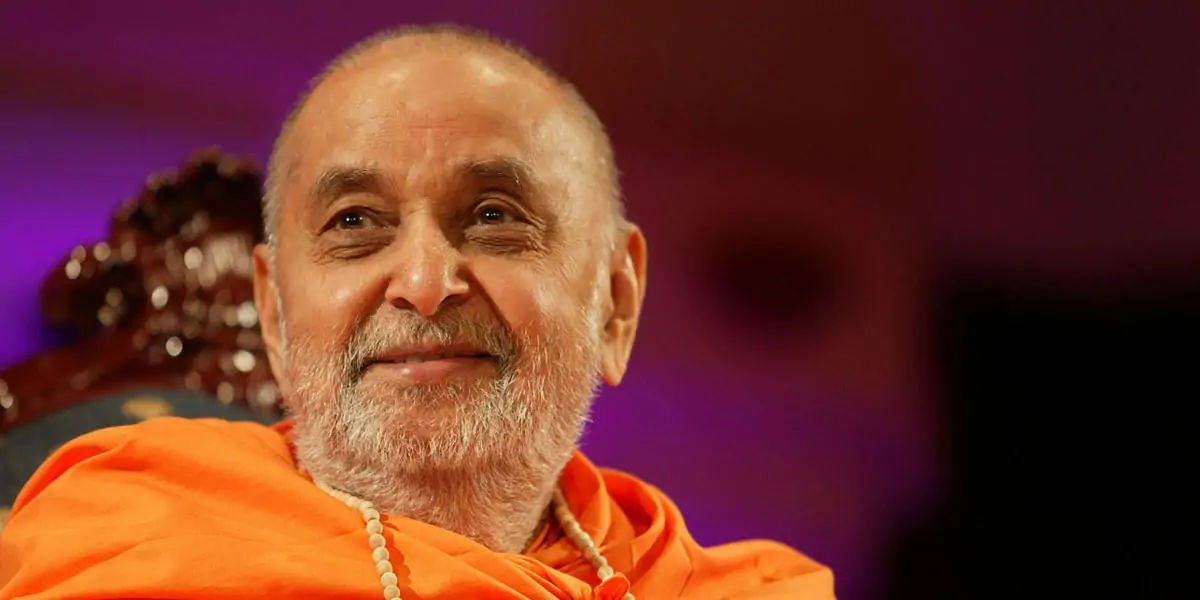
Pramukh Swami Maharaj, an Indian Hindu spiritual guru (BAPS), was born in Chansad, Gujarat, in 1921.

Larry Bird, American Basketball Hall of Fame forward, coach, and executive, was born in West Baden, Indiana in 1956.
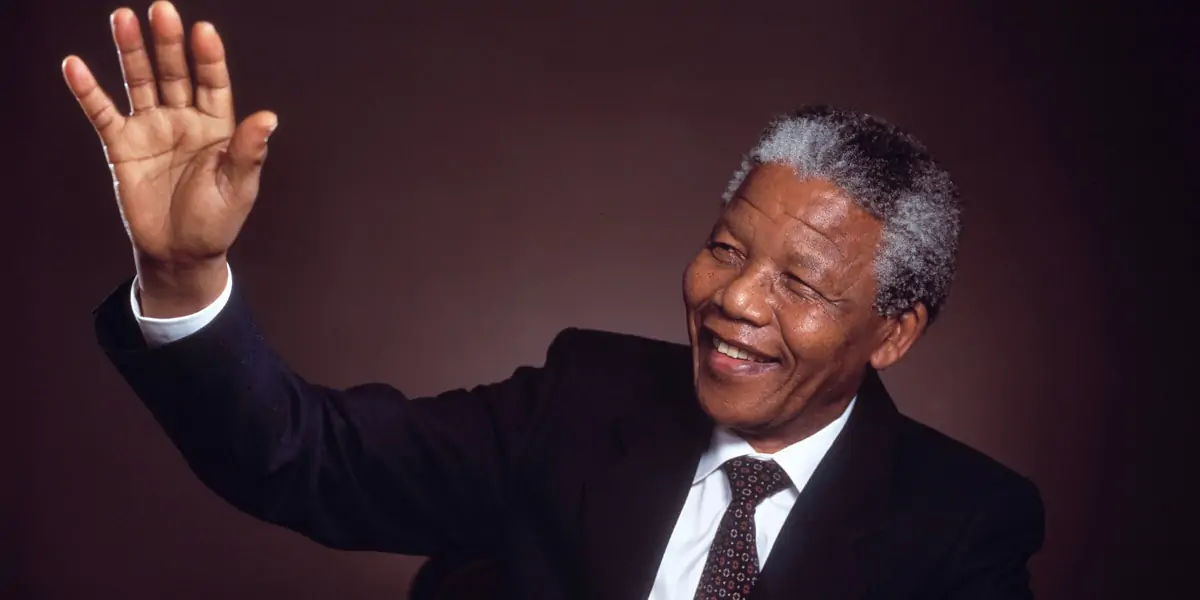
Nelson Mandela, South African anti-apartheid campaigner, political prisoner, and South African President, died of a lung illness in 2013 at the age of 95.

In 2017, astronomers reported the finding of a "supermassive" black hole 13 billion light-years away, 800 times larger than the Sun, in the journal "Nature."
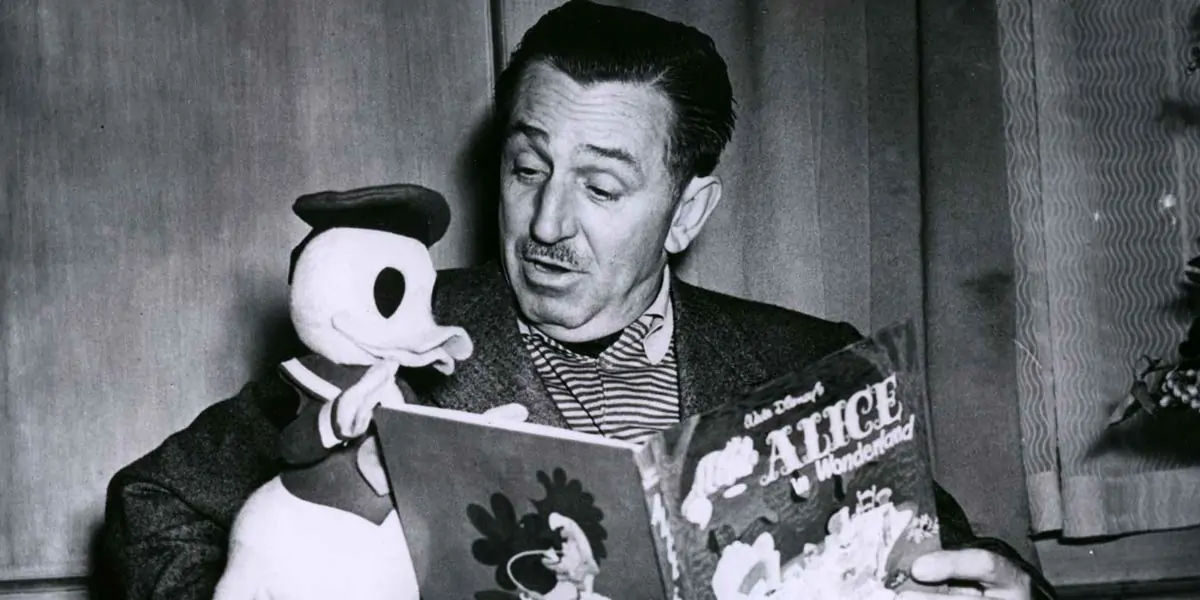
Walter Elias Disney, American animator, producer, and co-founder of Walt Disney Company, was born in Chicago, Illinois in 1901.
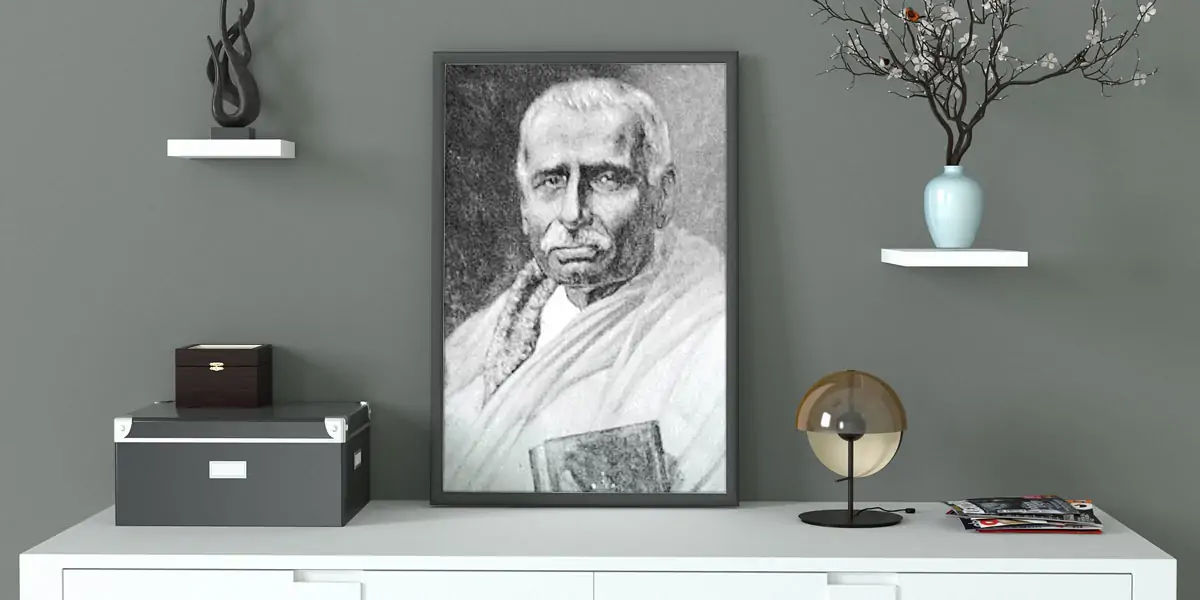
Hara Prasad Shastri, an Indian academic, Sanskrit scholar, archivist, and Bengali literature historian, was born in Khulna, Bengal, in 1853.
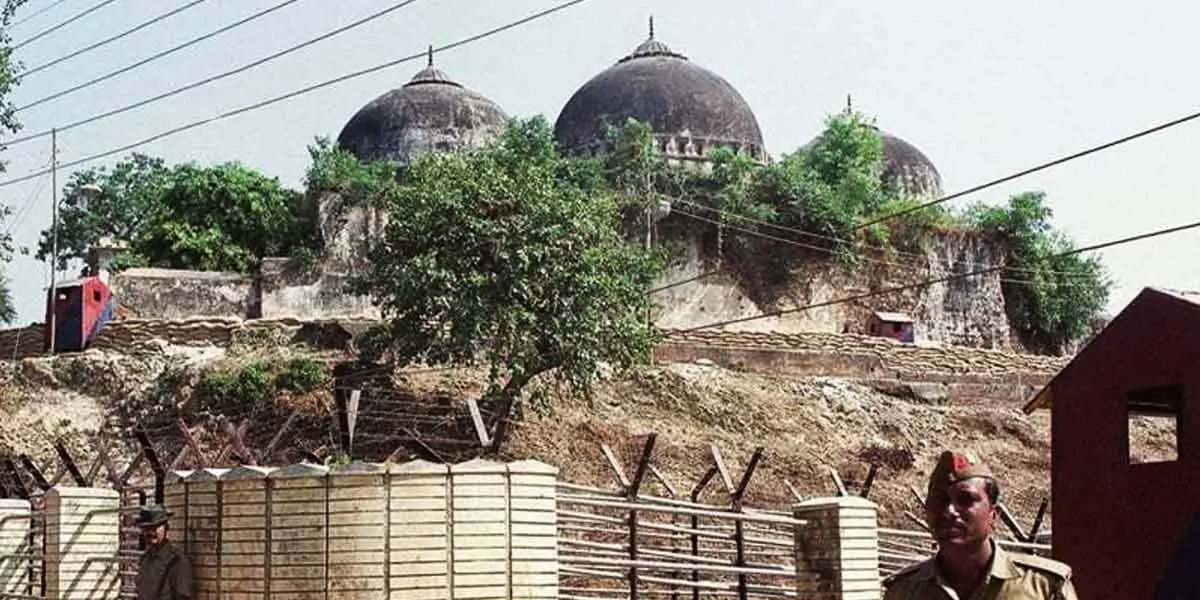
In 1992, 300,000 people demolished the Babri Mosque in India in order to uncover an ages-old temple devoted to Lord Ram; four people were killed in the process.
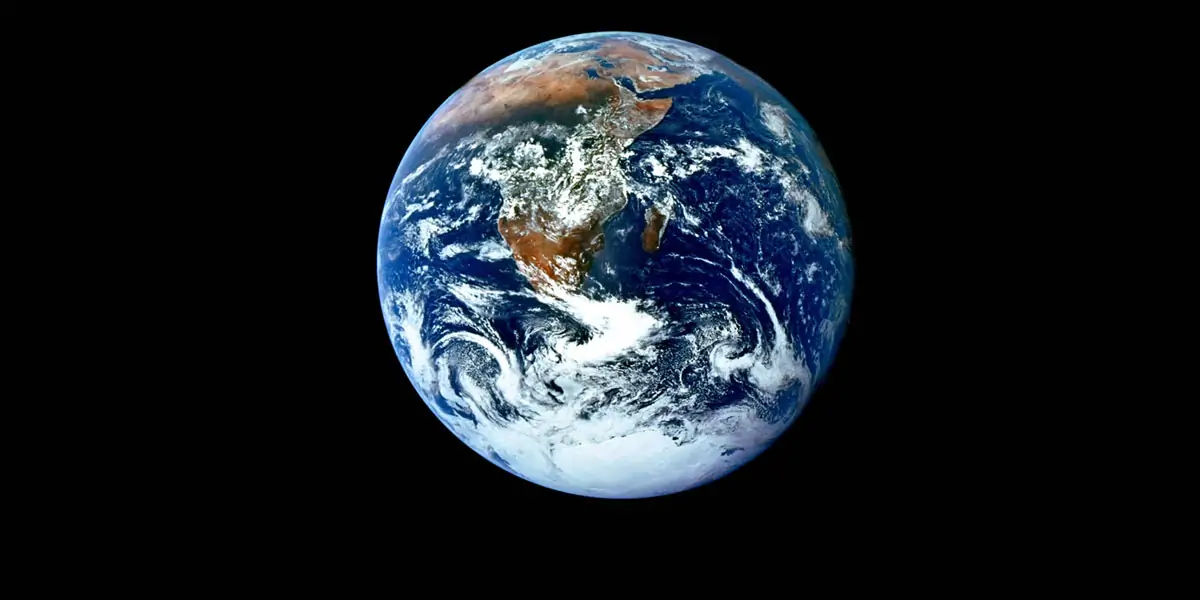
Apollo 17, the final manned lunar landing mission, launched in 1972, with the crew taking the iconic "blue marble" shot of the whole Earth.
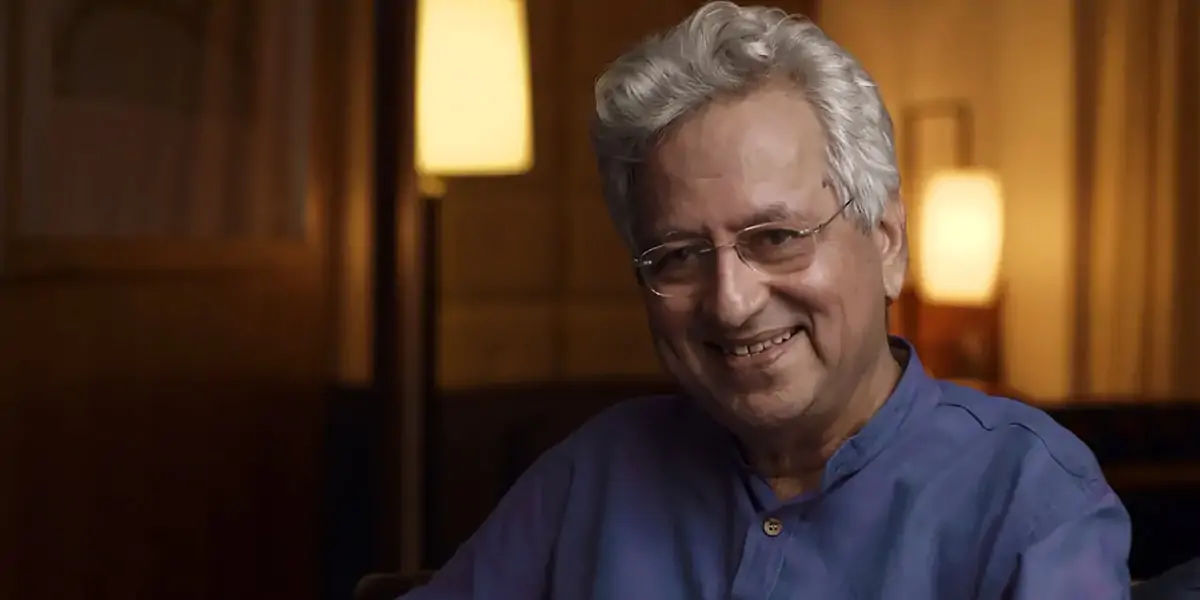
Kumar Shahani, an Indian writer and filmmaker, was born in Larkana, Sindh, in 1940.
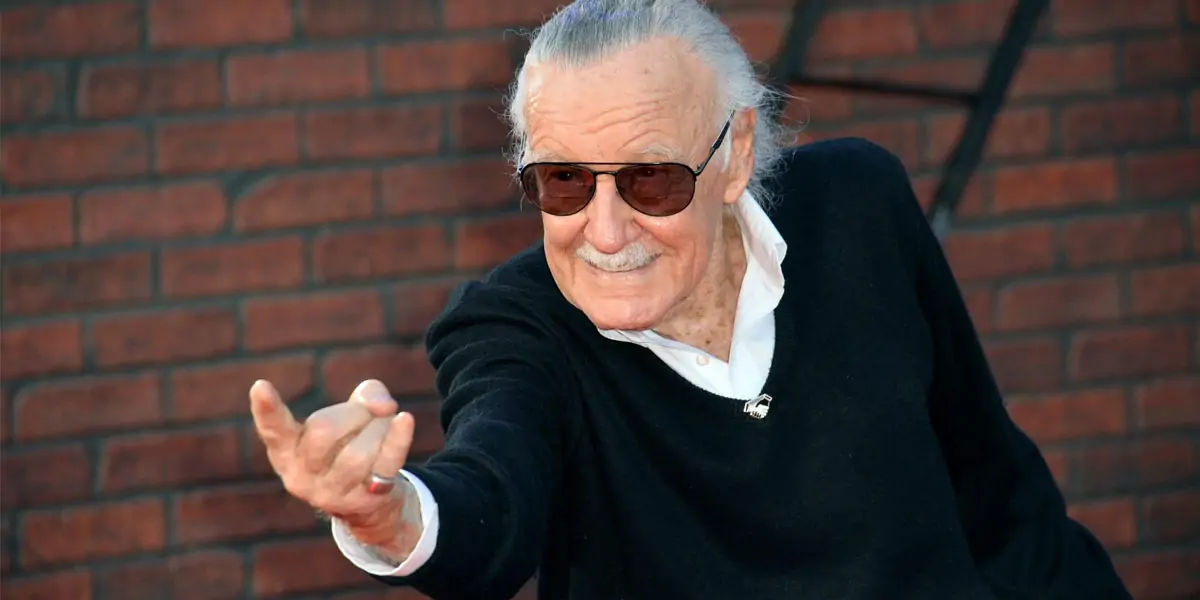
Stan Lee (24), inventor of "Spider-Man," marries in 1947. Boocock, Joan Clayton
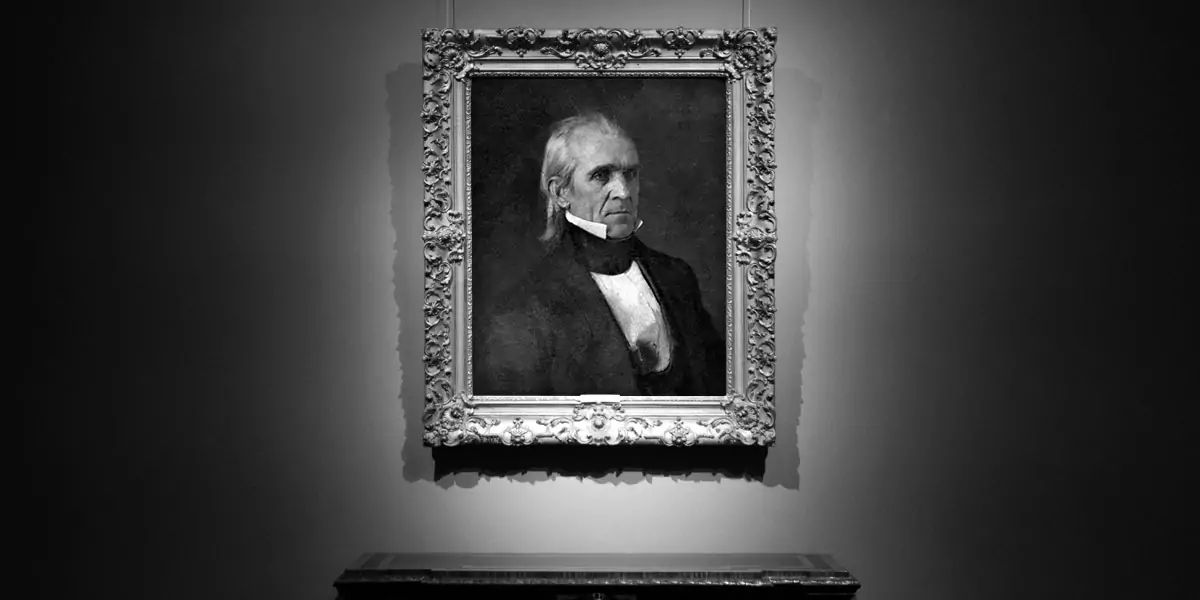
In 1848, US President James K. Polk sparks the 1849 Gold Rush by certifying a gold find in California.
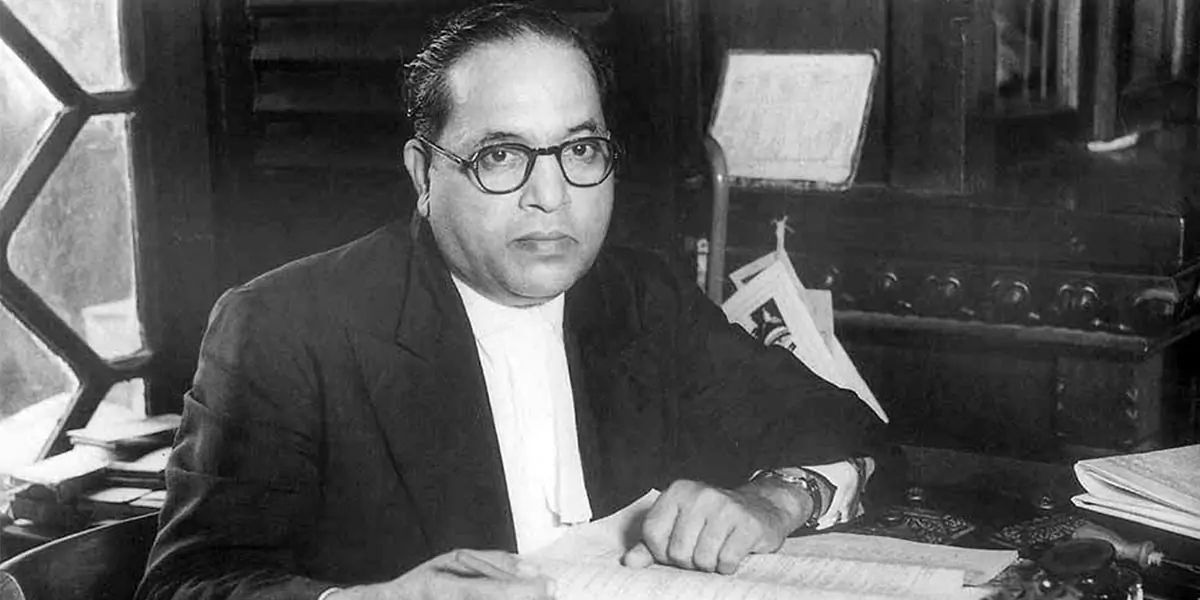
B.R. Ambedkar, an Indian politician, lawyer, and social reformer who inspired the Dalit Buddhist Movement, dies of diabetes at the age of 65 in 1956.
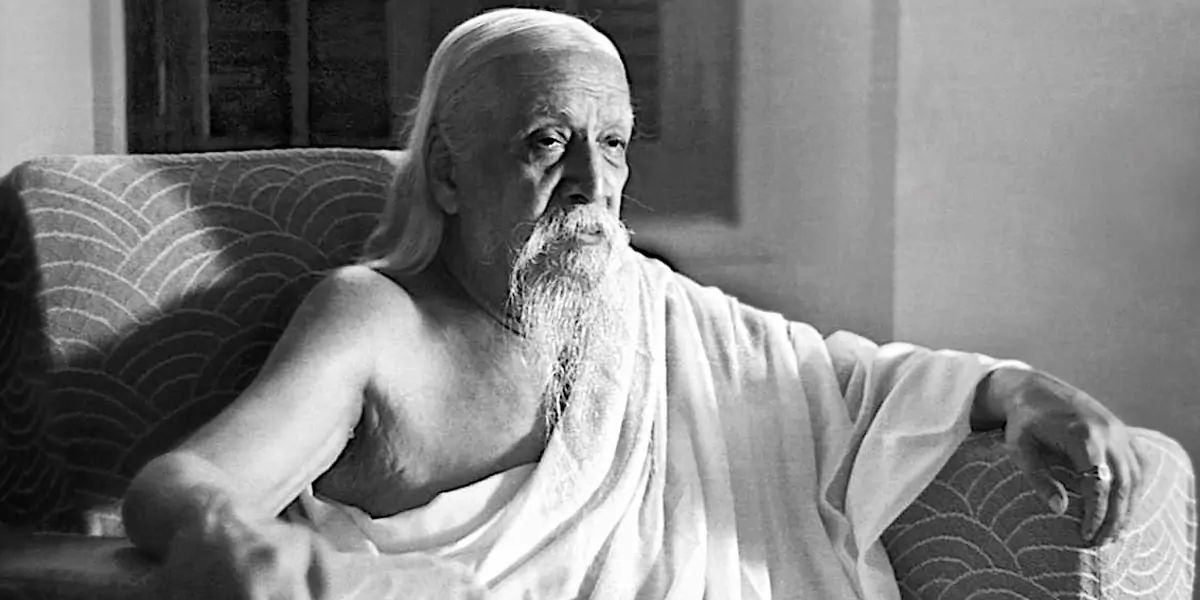
Shri Aurobindo, an Indian guru and patriot, dies at the age of 78 in 1950.
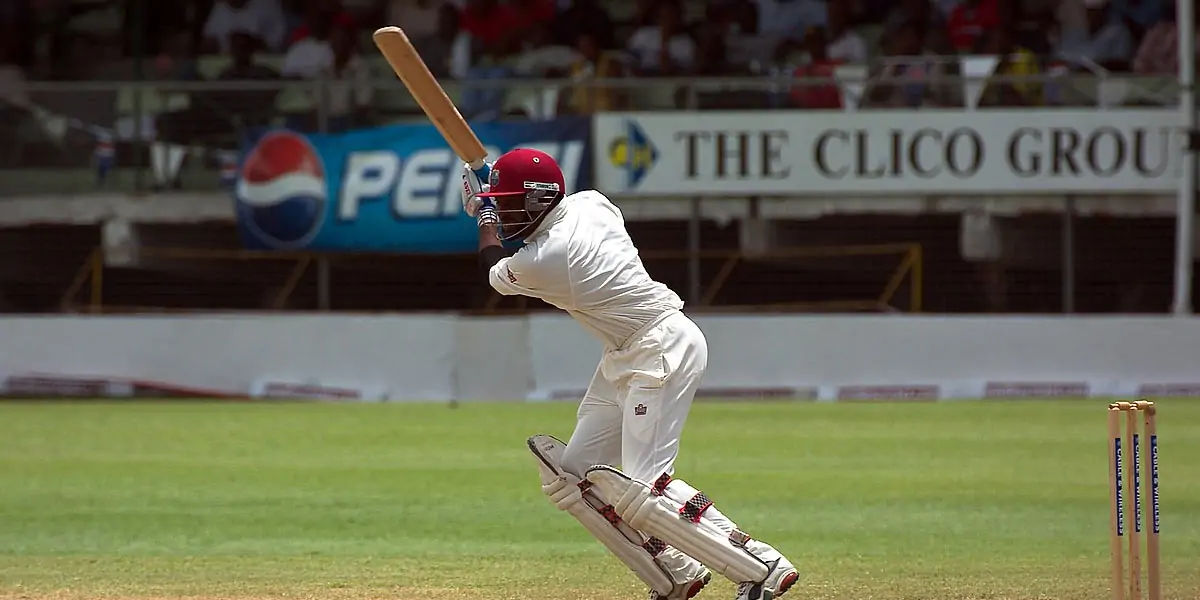
Brian Lara of the West Indies made his Test debut on December 6, 1990
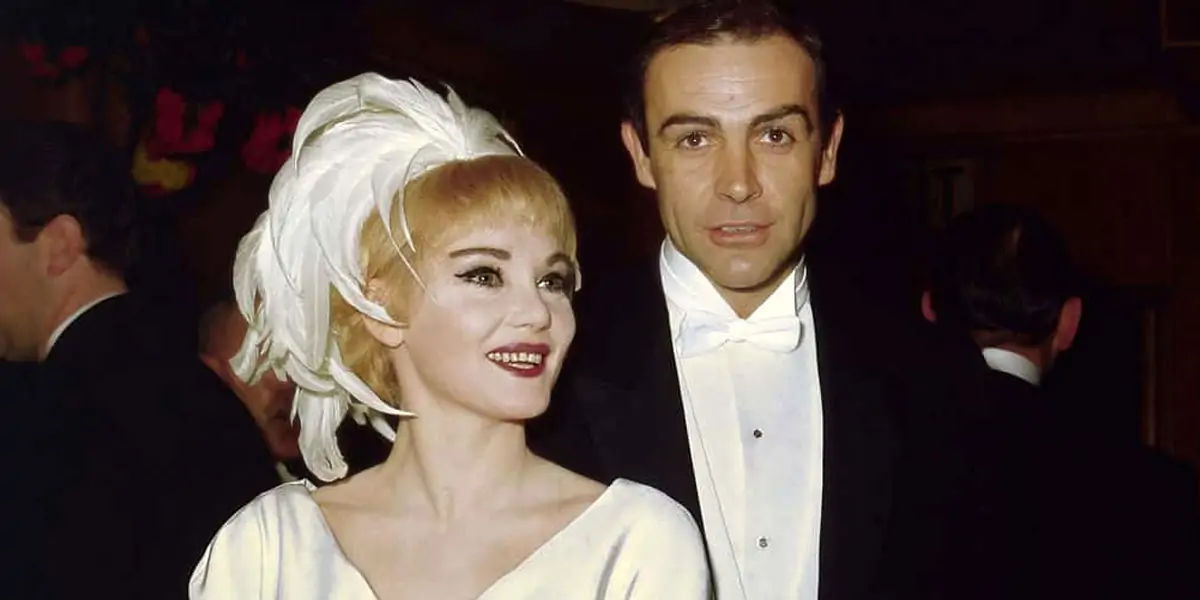
On Gibraltar in 1962, actor Sean Connery marries actress Diane Cilento.
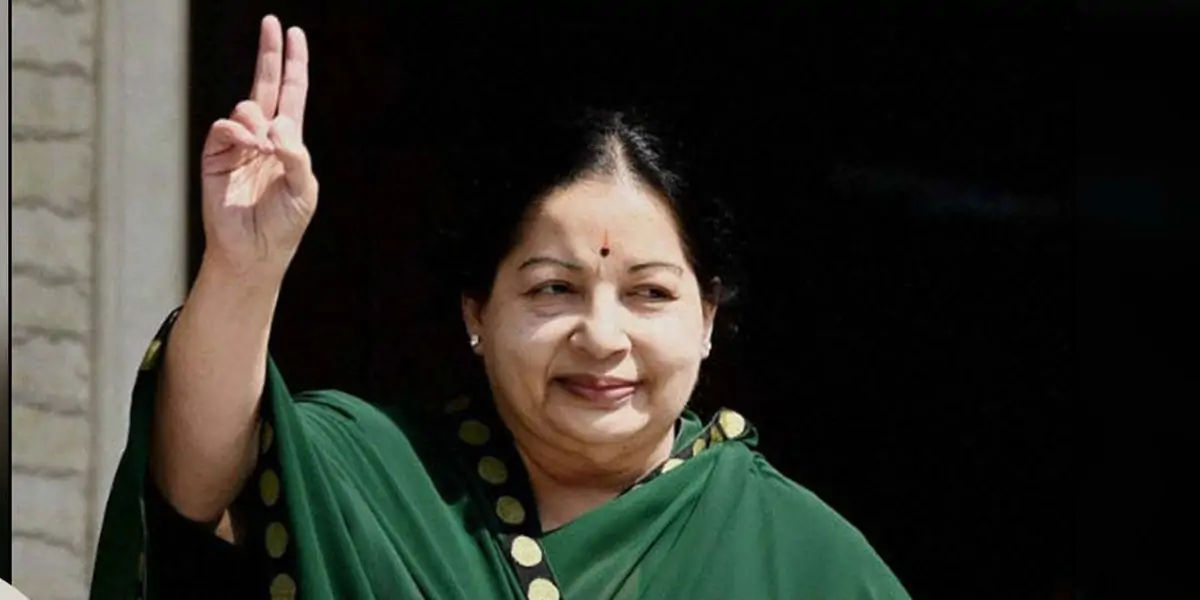
Jayaram Jayalalitha, an Indian actress and politician who served as the chief minister of Tamil Nadu from 1996 to 2016, died of a heart attack at the age of 68.