In 1737, a storm created 40-foot seas in Calcutta, India, killing 300,000 people.
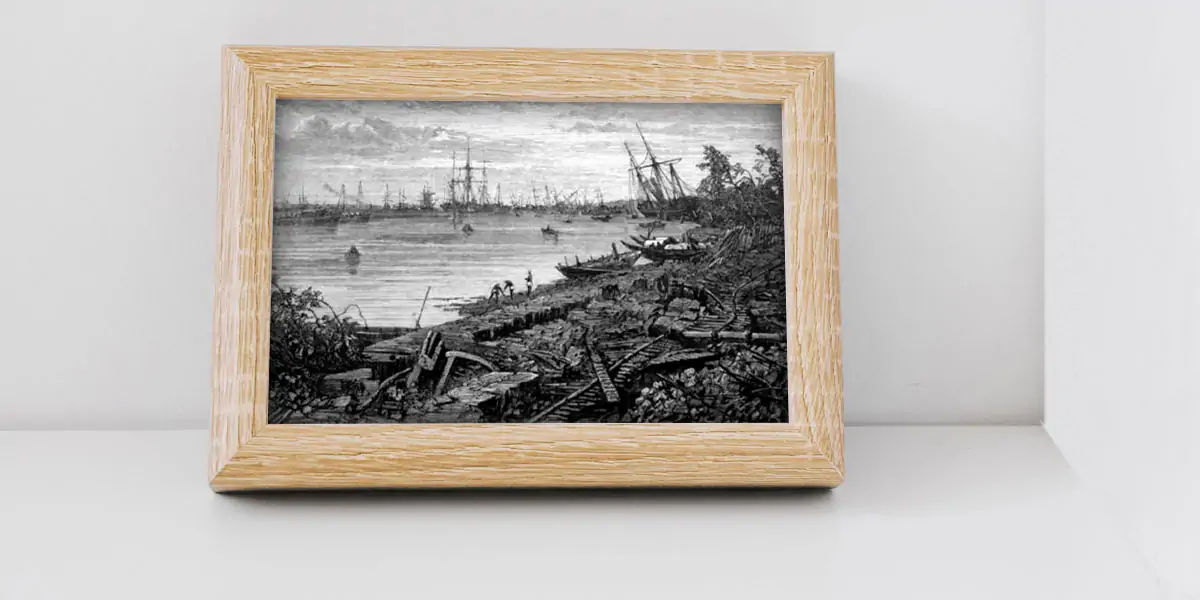
A huge storm made landfall inside the Ganges River Delta, just south of Calcutta, West Bengal, India, early on October, 1737. With 381 mm (15 in) of rain pouring in a 6-hour period, the cyclone generated a storm surge of 10-13 m (30-40 ft) in the Ganges. The storm moved 330 kilometers (200 miles) inland before dissipating. The 1737 Hooghly River Cyclone is regarded as one of the worst natural disasters in history. The storm, known colloquially as the Calcutta Cyclone, caused significant damage to the region's low-lying regions.
Related On This Day
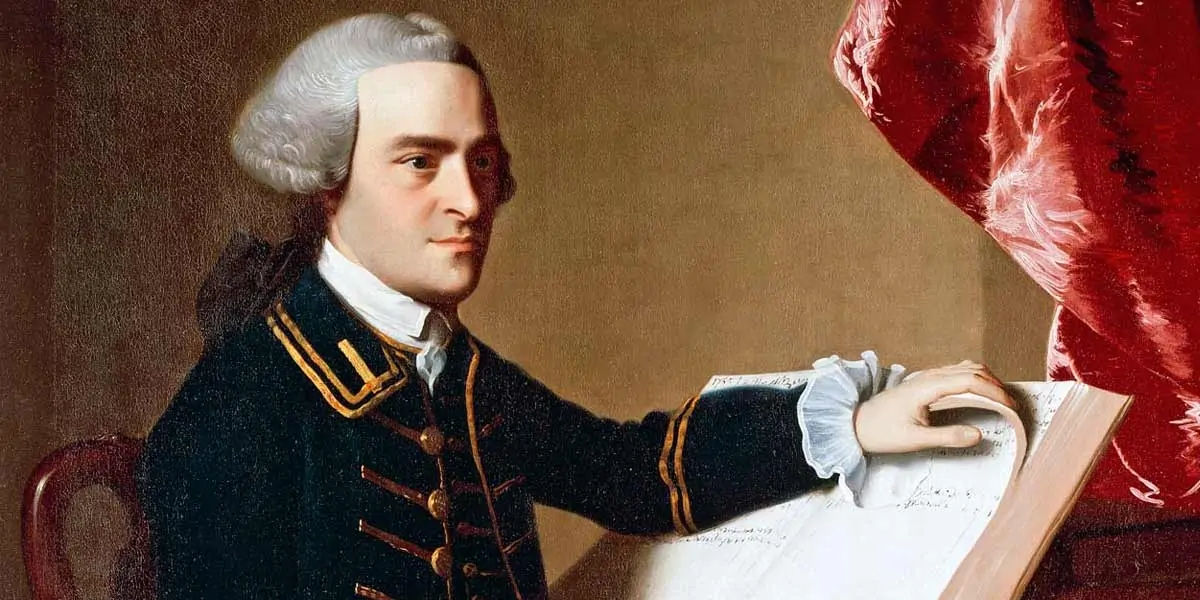
In 1793, at the age of 56, John Hancock, an American businessman and statesman who was the first to sign the Declaration of Independence, died.

Raaj Kumar, a Hindi cinema actor, was born in Loralai, Balochistan, British India, in 1926.
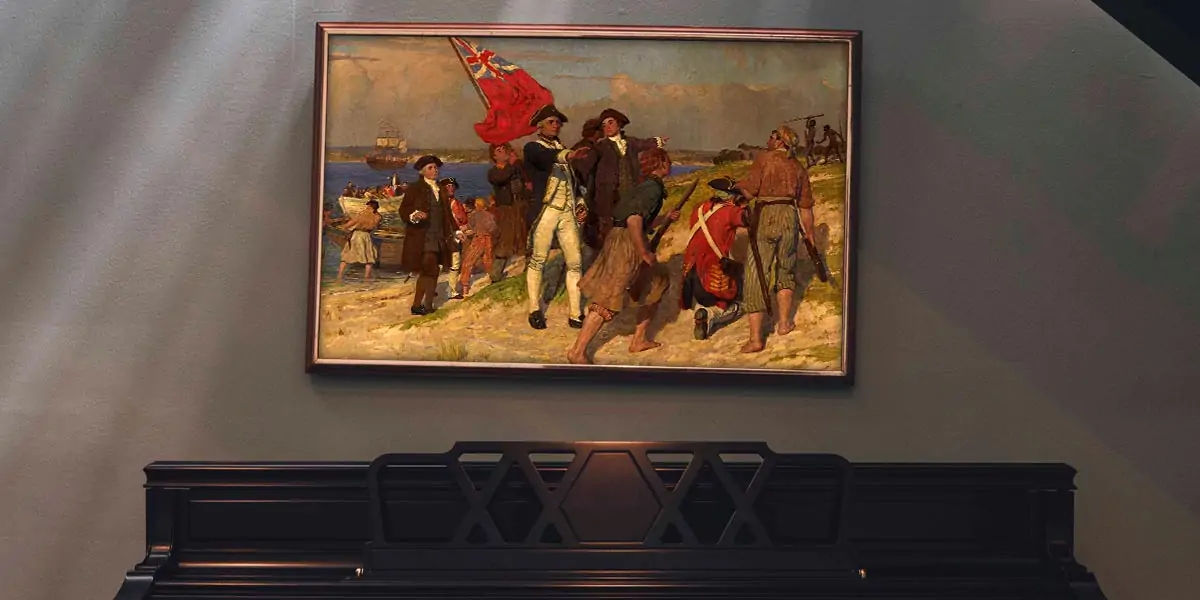
Captain James Cook arrived in New Zealand at Poverty Bay in 1769.
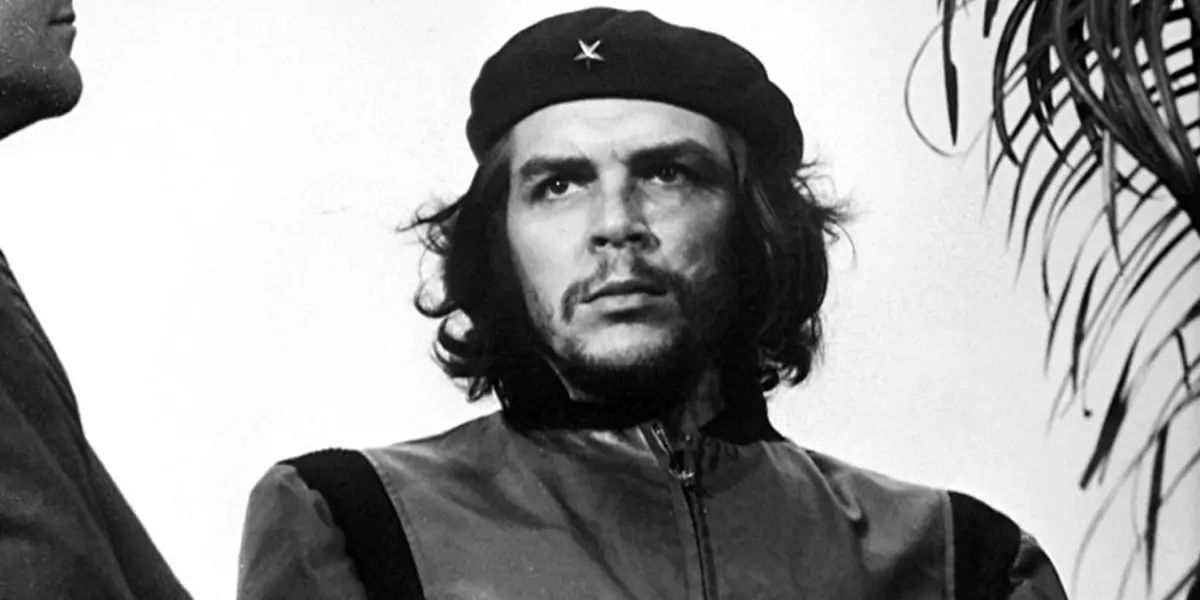
Ernesto "Che" Guevara, an Argentine Marxist revolutionary and surgeon, was killed in Bolivia in 1967 at the age of 39.

Vladimir Putin, a Russian politician, was born in Leningrad, Soviet Union, in 1952.
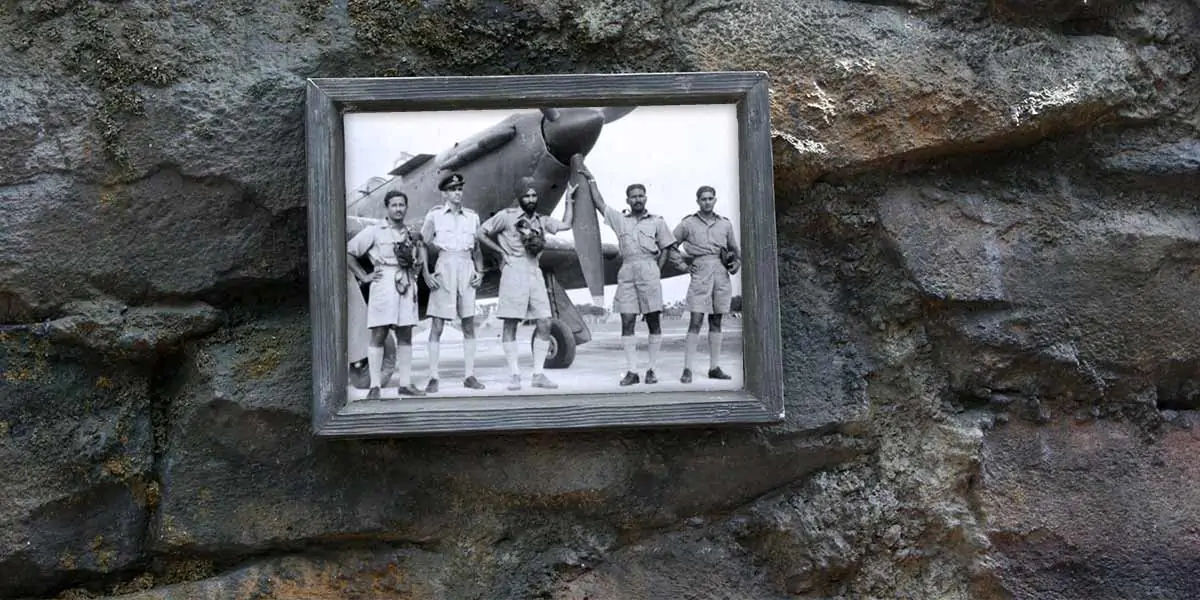
The Indian Air Force was founded in 1932.
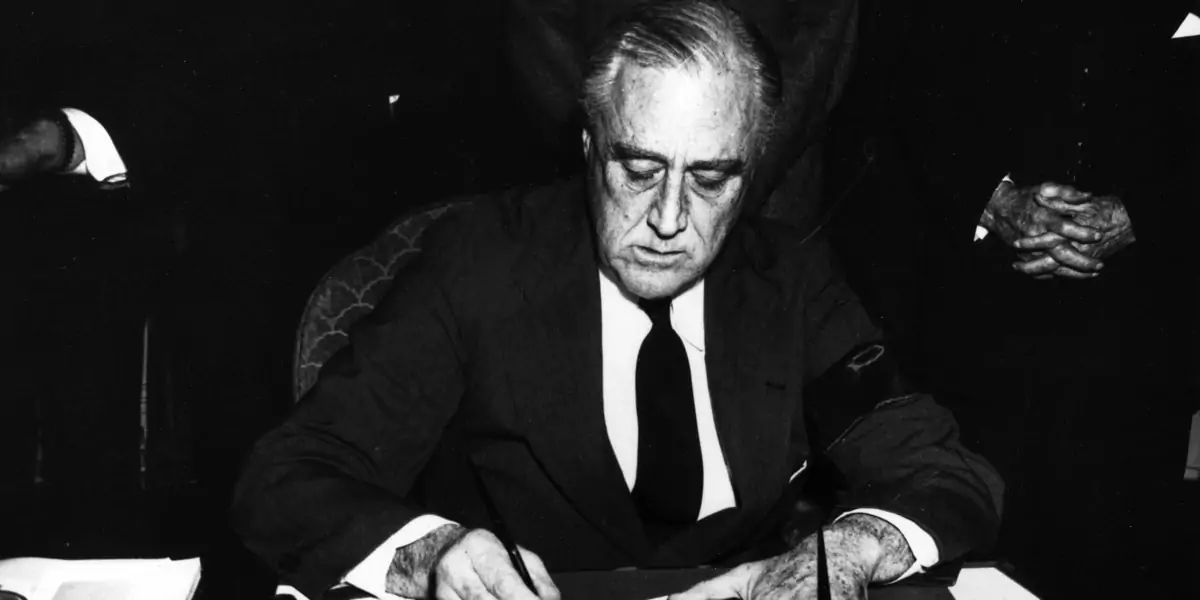
In 1941, US President Franklin D. Roosevelt approved the Manhattan Project, an atomic endeavor.

Peter Gene Hernandez, better known as Bruno Mars, was born in Honolulu, Hawaii, on October 8, 1985.

Spotify is a cross-platform programme. Spotify, which debuted on October 7, 2008, also sells music subscriptions and monetizes its music through advertisements.

Midway Games initially launched Mortal Kombat as a 2D fighting game in 1992.

Walt Disney CEO Bob Iger marries writer Willow Bay in Bridgehampton, New York in 1995.
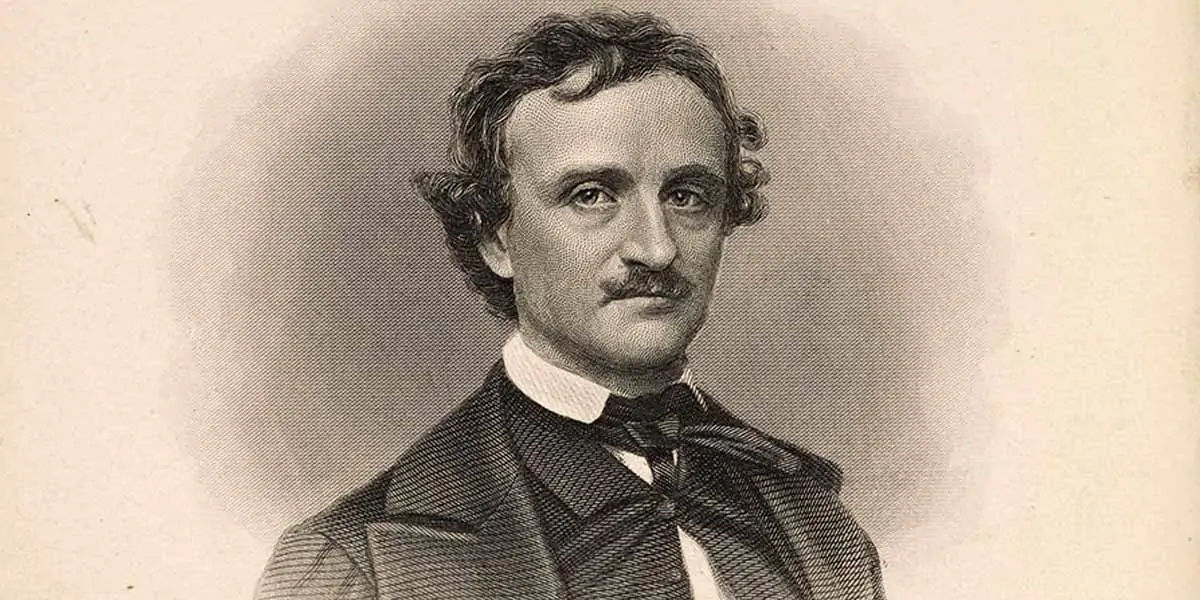
Edgar Allan Poe, an American writer, poet, and critic often regarded as the creator of the detective fiction genre, died in Baltimore in 1849 at the age of 40.

In 2012, Malala Yousafzai, a women's rights and education campaigner was shot three times by a Taliban gunman as she attempted to board her school bus in the Swat area of northwest Pakistan.
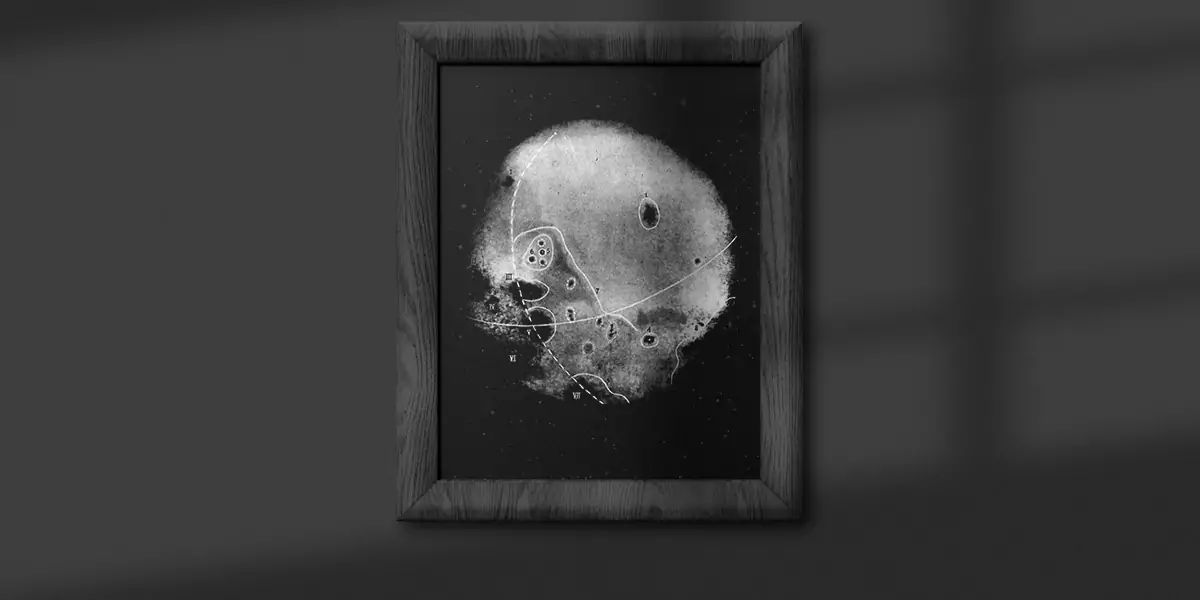
The far side of the Moon was observed for the first time in 1959, thanks to the USSR's Luna 3 space mission.