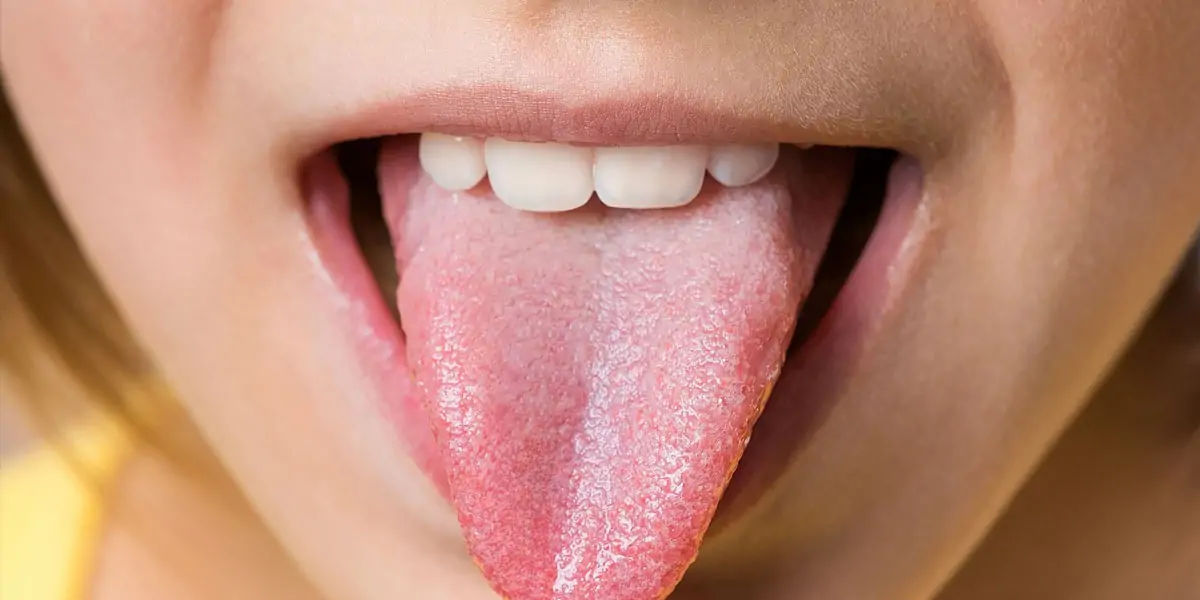
We've all had the pleasure of sipping perfectly delicious orange juice after cleaning our teeth, only to find it tastes more like unsweetened lemon juice. It turns out that taste receptors are sensitive enough that some substances in meals and medications can modify our capacity to detect one of the five main flavors. Most toothpaste contains the foaming ingredient sodium lauryl/laureth sulfate, which appears to temporarily block sweetness receptors. This is not rare. Cynarin, a chemical found in artichokes, temporarily suppresses your sweet receptors. The cynarin is then washed away when you drink water, causing your sweet receptors to "wake up" and make the water taste sweet. Miraculin, a chemical found
Related Facts
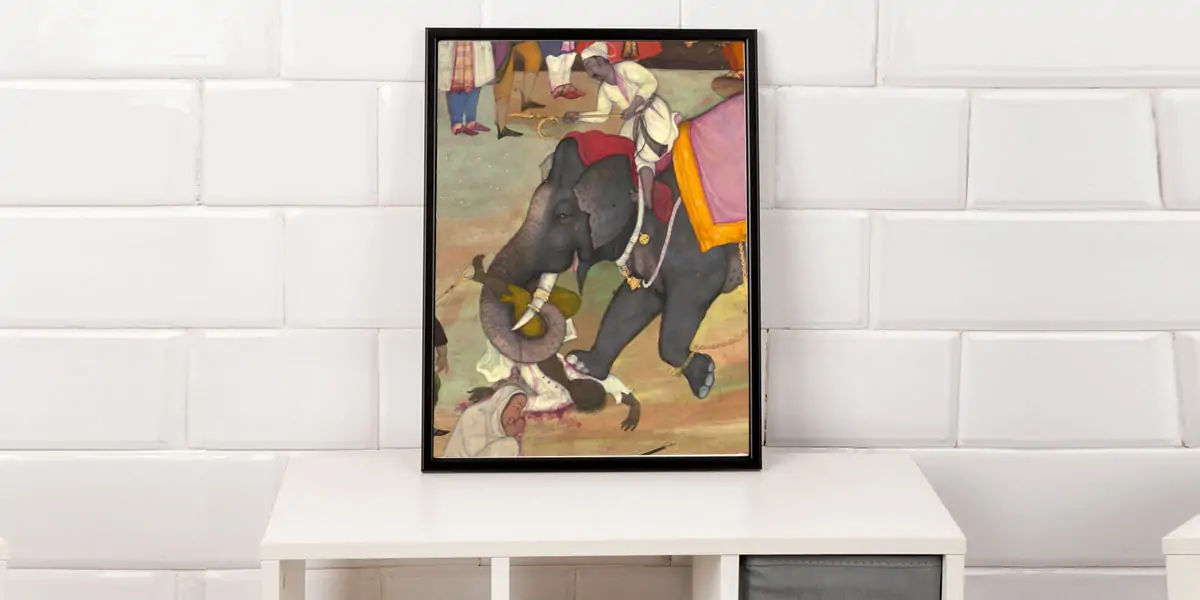
Did you know? Death by elephant was a common method of execution in Ancient Asia.

Nepal The World's Ceiling

Did you Know? We can only be close up to 150 people.
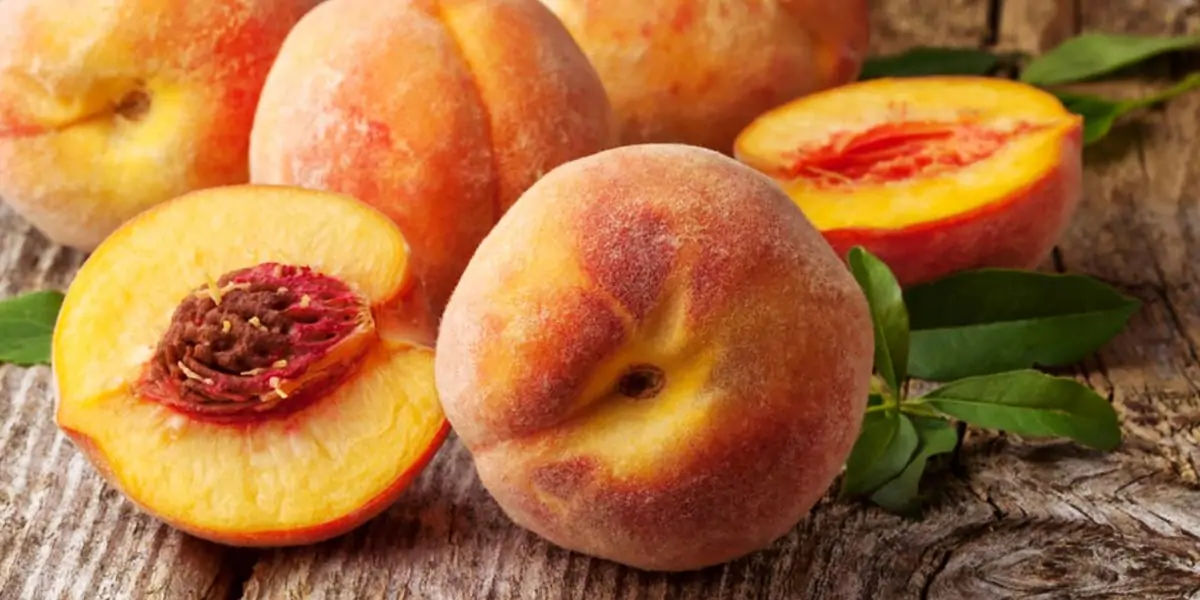
Did you Know? Nectarine means sweet like nectar.

Johannes Vermeer's Girl with a Pearl Earring

There is no permanent citizenship in Vatican City.

Swiggy is still privately owned
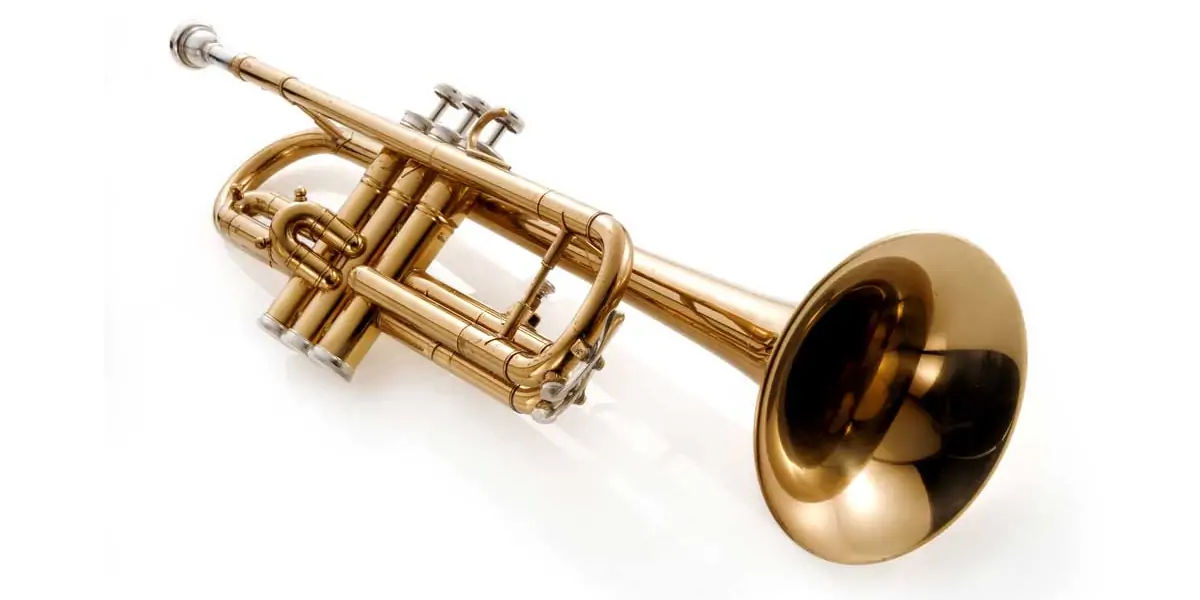
The total length of tubing in a trumpet would be approximately 6 1/2 feet if stretched out completely.

Mysterious Scandal Point

An enraged Indian ruler deployed Rolls Royce automobiles to gather rubbish.

Heart disease accounts for one-third of all deaths.

Arnold Schwarzenegger Made $21,428 Per Word In the Terminator 2: Judgement Day

Temperature is no concern for beagles
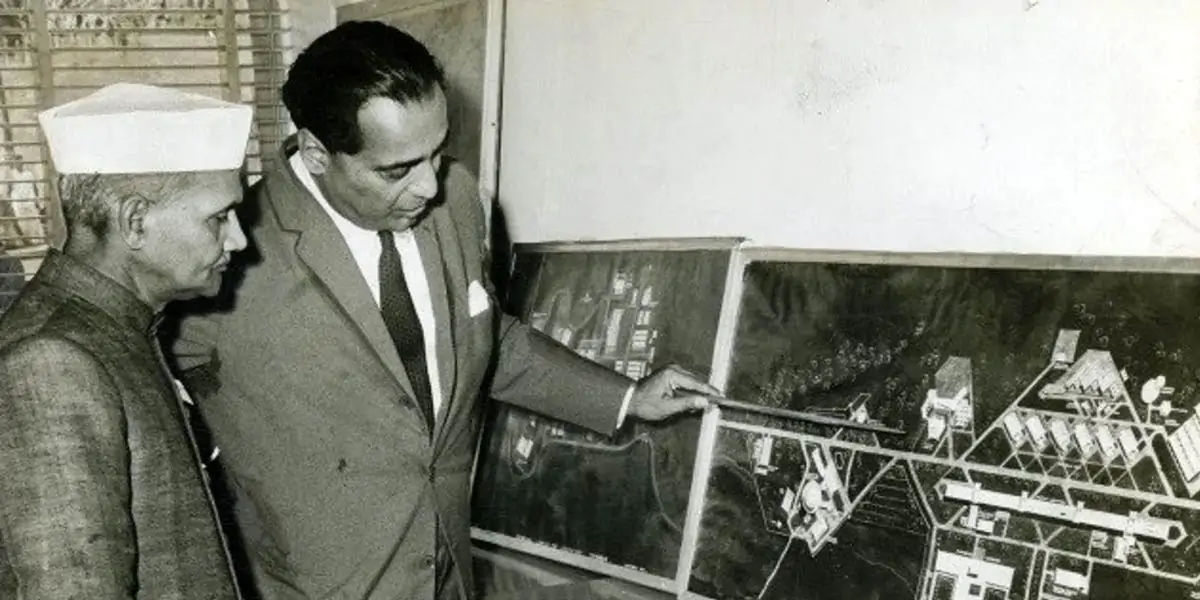
The reason of death of Homi J Bhabha is still being discussed.

In Tokyo, English is not widely spoken.
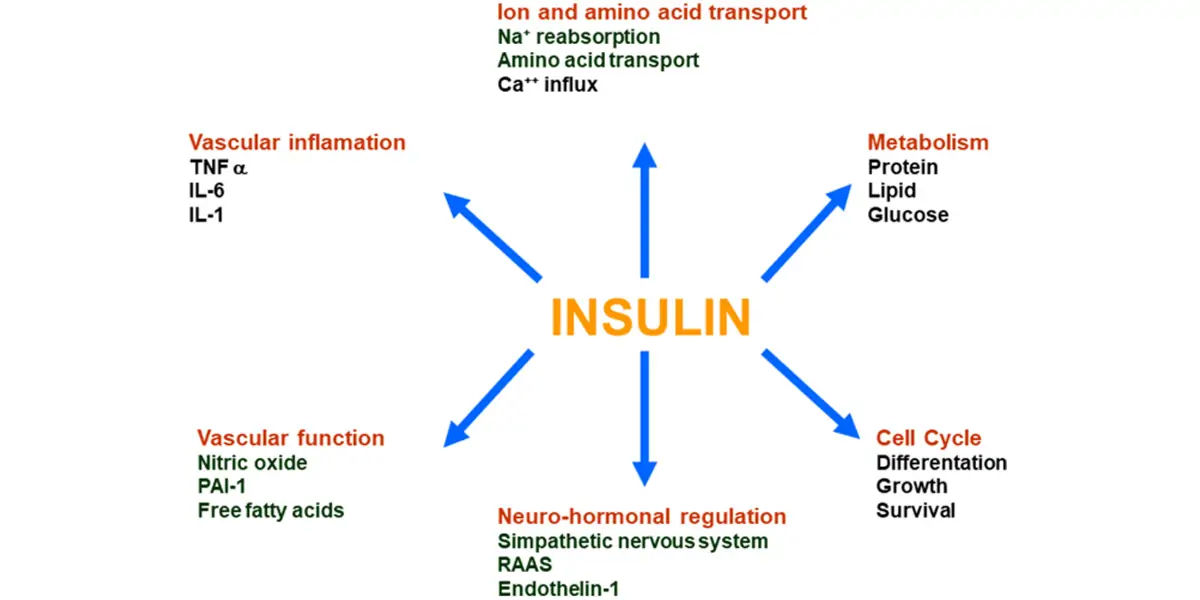
Insulin resistance may influence the therapy of hypertension in type 2 diabetics.

How much water is present in fog?

A CANDLE SHOULD NOT BE TURNED OFF BY BLOWING IT.

Tunisian national flag

Animals can recognize themselves in Mirror

Did you Know? A famous 'Pulp Fiction' shot was filmed in reverse.

A live cat was once transformed into a telephone by researchers.
The name Starbucks was inspired by "Moby Dick."

They sense vibrations to "hear"

In Europe, Bulgarians Are Relatively Short.