The use of soap-like substances dates back to around 2800 BCE in Ancient Babylon

To provide an extremely brief overview that does not do the saponification process justice: When fats or oils come into contact with an alkali, they are broken down into fatty acids and glycerine, which then combine with the sodium or potassium component of the alkali. Excavations in Ancient Babylon unearthed a soap-like material produced by a process consistent with this, namely boiling fats with ashes, according to accompanying inscriptions. Similarly, the Ebers papyrus, dated 1550 BCE, reveals that Ancient Egyptians washed with a mixture of animal and plant oils and alkaline salt, while the Chinese, during the Zhou Dynasty (c. 700-221 BCE), mixed plant ash with crushed seashells to produce an alkaline chemical used for staining.
Related Facts

Tiger Eye Gemstone Brings Emotional Intelligence

Did you Know? India’s first ever train ran between Mumbai and Thane

Any Age Can Be Affected by Eczema

Nobody knows what Viking truly means.

Quartz Crystal activation requires programming.

Did you Know? The Black Spider Suit was created by a fan.

A London tomb is supposedly a time machine or teleportation chamber.

Did you Know, You Can Visit China's ghost cities.
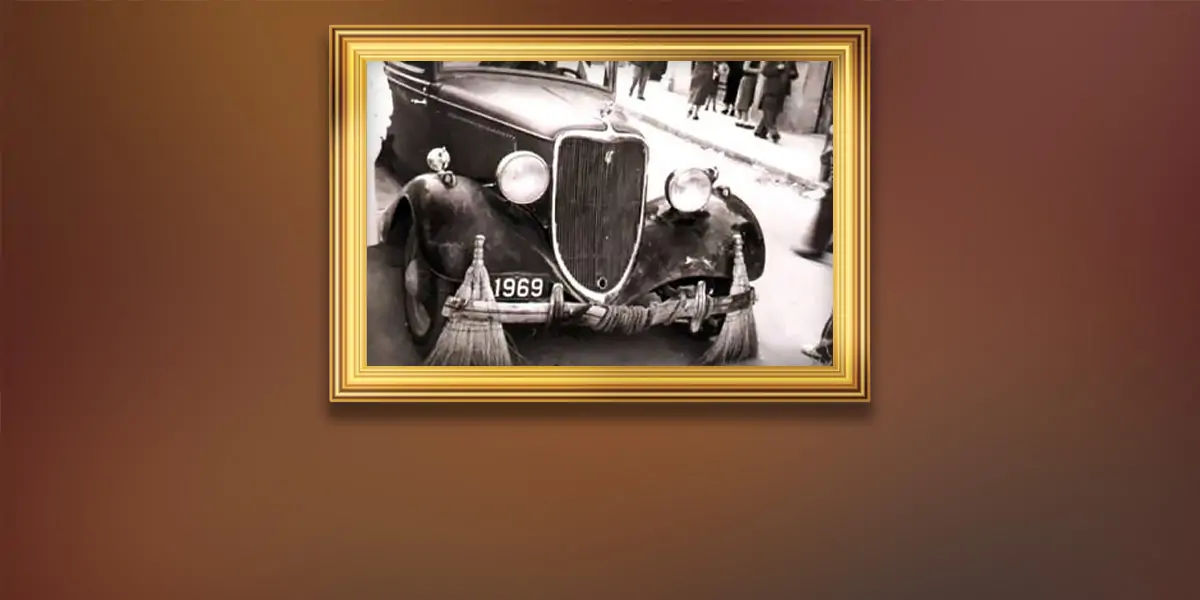
An enraged Indian ruler deployed Rolls Royce automobiles to gather rubbish.

Did you Know? What Is the Meaning of the Name London?

Hypnosis can be used to provide anaesthesia.

Did you Know? Tomb Raider game initially starred a male Indiana Jones rip-off.

Queen Victoria’s first name wasn’t actually Victoria

Retinol does more than merely reduce wrinkles.

Did you Know? Nintendo has been around for almost 130 years.

The name Dussehra is derived from the Sanskrit phrase Dash Hara, which in English means "the defeat of the Sun.

Alkaline by nature, an earthenware pot enhances health.

Is Soy Formula Safe?
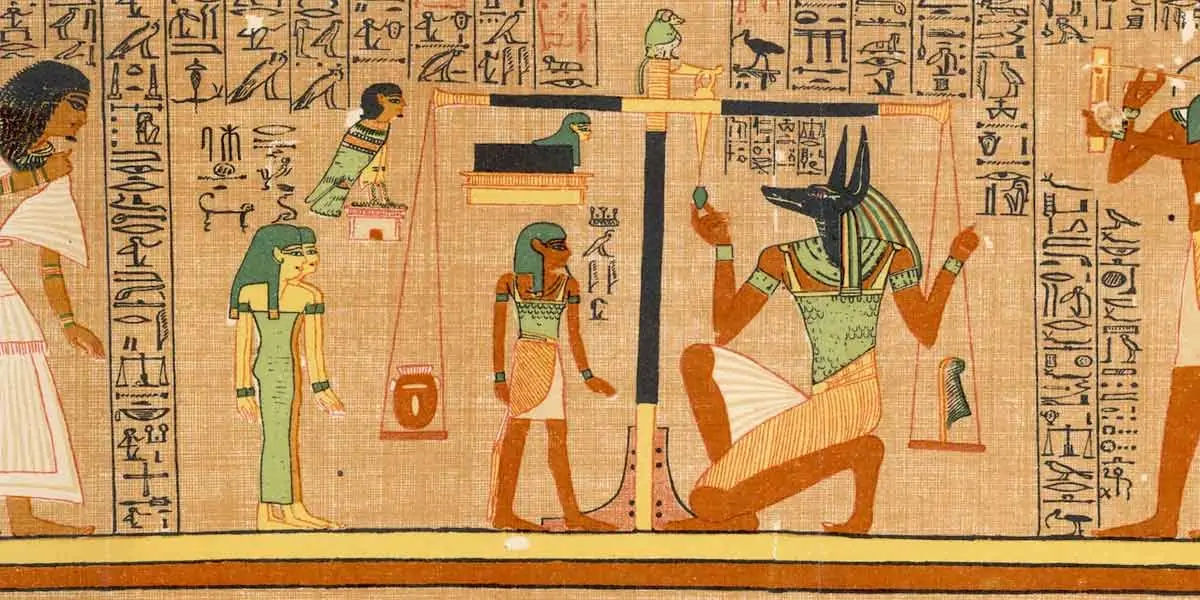
However, some of the earliest recorded descriptions of hypnosis date back to 1500 B.C. in ancient Egypt.

The Harissa people's homeland

Did you Know? Call Of Duty Has Been Played For 25 Billion Hours

Did you know? Belle is the only person in her town who wears Blue

Flowers are produced by Venus flytraps.

The Quebec Winter Carnival Celebration, sometimes known as "Carnaval," is the world's largest winter festival.

Fairyflies: Do They Make Good Pets?